- All
- Product Name
- Product Keyword
- Product Model
- Product Summary
- Product Description
- Multi Field Search
Views: 0 Author: Site Editor Publish Time: 2026-05-14 Origin: Site

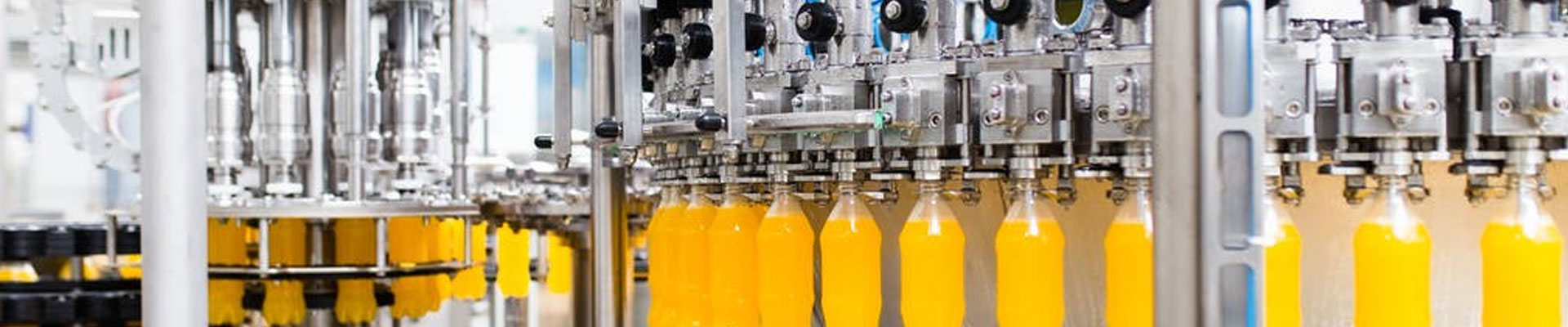
Yes, the primary function of a water filling machine is to provide a precise, hygienic, and efficient method of dispensing liquids into containers at high speeds, ensuring that every unit meets strict quality standards.
Achieving this level of precision requires a deep understanding of how different filling technologies interact with your specific beverage product and packaging format. From simple gravity fillers to sophisticated pump-driven systems, the machinery chosen directly impacts your production throughput, waste reduction, and overall product shelf appeal. In the following sections, we will delve into the critical technical considerations, handling requirements, and sealing processes that form the backbone of a successful beverage production line.
Product Water Is Still a Process Water Story
Gravity and Overflow for Many Still Water Lines
When Pump or Piston Technologies Enter the Conversation
Container Handling at Speed
Caps, Tamper Evidence, and Distribution Realities
The essence of water filling is fundamentally a process of handling purified, controlled liquid through an automated system designed to maintain sterility from the source tank to the sealed container.
The journey of the liquid itself—from filtration to the final fill—is a story of process engineering. Before a single drop enters a bottle, it must undergo extensive treatment. Water filling technology is inherently linked to these upstream processes, as the viscosity, temperature, and carbonation levels of the "process water" dictate the hardware requirements of the filling station. High-quality production relies on a closed-loop system that protects the product from environmental contamination at every stage.
For producers using specialized equipment, such as a robust water filling solution, the integration between the water treatment system and the filling head is seamless. This connection ensures that the flow rate, pressure, and temperature are tightly controlled, which is vital for preventing issues like foaming or inconsistent volumes. If the process water characteristics are not perfectly managed, even the best filling machine will struggle to deliver a consistent product.
Furthermore, the "story" of process water extends to the maintenance and hygiene protocols of the equipment. Because water is a sensitive medium, the materials used in the construction of the Water Filling Machine—typically food-grade stainless steel—must be resistant to corrosion and easy to clean. Advanced systems often include Clean-in-Place (CIP) capabilities, which automatically circulate cleaning agents through the filling valves and piping, ensuring that the integrity of the water remains uncompromised from batch to batch.
Gravity and overflow technologies are the industry standard for still, non-carbonated water due to their mechanical simplicity, cost-effectiveness, and exceptional performance in achieving uniform fill levels.
In the realm of still water production, speed and reliability are paramount. Gravity fillers function by allowing the liquid to flow into the container under its own weight from a balance tank located above the filling station. Because still water does not foam or require pressure equalization to maintain its state, gravity-fed systems provide a low-maintenance, efficient way to fill thousands of bottles per hour with minimal energy consumption.
Overflow fillers, on the other hand, are the go-to solution when aesthetic consistency is the top priority. These machines fill the container until the liquid reaches a specific level, at which point the excess product is forced back into the supply tank. This mechanism is particularly beneficial for:
Ensuring every bottle on the shelf has an identical, visually pleasing fill level.
Managing products that might vary slightly in volume during the fill due to container shape.
Reducing product waste through the continuous recycling of the overflow liquid.
For manufacturers who are also diversifying into other beverage sectors, such as small-scale canning lines, similar principles of filling control apply. Integrating a compact canning and sealing machine allows for the same level of precision and quality control as found in water bottling, provided the filling technology is correctly matched to the beverage characteristics. The key for still lines remains minimizing moving parts and focusing on the consistency of the valve opening times.
Pump and piston technologies are utilized when the beverage product requires precise volumetric dosing, high-viscosity handling, or when the process necessitates filling at specific, non-gravity pressures.
While gravity suffices for basic water, modern beverage lines often handle more complex liquids—such as flavored waters, fortified drinks, or juices—that may have higher viscosities or require strict volumetric accuracy. Piston fillers operate by using a cylinder and a mechanical plunger to push an exact, pre-measured volume of liquid into the bottle. This method is unmatched in accuracy, making it ideal for high-value products where every milliliter counts.
Pump-driven systems, including peristaltic and positive displacement pumps, offer a different set of advantages. These systems provide a high degree of control over the flow rate, which is critical when:
Handling liquids that are prone to foaming, where slow-start and slow-stop filling is required.
Maintaining high throughput without relying on the physical height of a balance tank.
Filling containers of varying volumes, where the machine can be programmed to dispense different, specific amounts with a simple software adjustment.
Ultimately, the choice to move from gravity to pump or piston technologies is an investment in versatility. For a producer looking to grow, the ability to switch between standard water and specialized, higher-viscosity drinks without changing the entire filling station is a significant operational advantage. These systems enable a high level of digital control, allowing for real-time monitoring and adjustments through the machine’s HMI (Human Machine Interface), ensuring that production quality remains at the highest level regardless of the product being bottled.
High-speed container handling is achieved through synchronized conveyor systems, precision neck-clamping mechanisms, and automated star-wheel transfers that ensure stability and minimize breakage.
The speed of a Water Filling Machine is only as effective as its ability to move containers through the line without interruption. At high production volumes, even a minor vibration or misalignment can cause jams, spills, and costly downtime. Modern equipment uses sophisticated "neck-clamping" technology, where the bottle is suspended by its neck, allowing the machine to rinse, fill, and cap it while minimizing the stress on the bottle body.
To maintain maximum efficiency, engineers focus on several key areas of container handling:
Smooth transitions: Utilizing star-wheels to move bottles from the conveyor to the filling station smoothly.
Stability: Ensuring the base of the bottle is supported during the transition if the container is heavy or thin-walled.
Variable speeds: Modern lines use VFD (Variable Frequency Drive) motors to ramp up or slow down the entire line in sync, preventing bottlenecks.
When handling different formats, such as a shift from glass to PET or from bottles to cans—similar to the requirements for a specialized beer can filling solution—the flexibility of the handling system becomes critical. A well-designed line allows for quick changeovers by simply replacing the star-wheels and guide rails, ensuring that the equipment can handle various shapes and sizes while maintaining the same precision and speed that is expected from a high-performance Water Filling Machine.
Effective sealing and tamper-evident capping are the final, essential steps in the filling process, serving as the primary barrier between the beverage and external contaminants during distribution.
After the liquid is dispensed, the importance of the capping operation cannot be overstated. A reliable capping station must apply the correct torque consistently to ensure a hermetic seal. For bottled water, this is not just a quality concern; it is a safety mandate. Tamper-evident bands must be intact and fully functional, providing the consumer with the necessary assurance that the product has remained sealed from the factory floor to their hands.
Considerations for the capping process include:
Torque control: Ensuring the cap is tightened enough to prevent leaks but not so much that the container is damaged.
Cap feeding: Using high-speed vibratory bowls or air-conveyors to ensure a constant supply of caps to the capping head.
Inspection: Integrating sensors to detect missing caps, crooked caps, or failed tamper-evident rings before the bottles exit the machine.
When optimizing your production line, the capping station should be viewed as an extension of the filling system. The synchronization between the filler and the capper is what defines a truly efficient production unit. By selecting an integrated high-quality filling and capping solution, manufacturers can reduce the complexity of the line, minimize the footprint, and ensure that the entire process—from water filling to final distribution—is characterized by safety, efficiency, and unwavering product quality.
The selection and implementation of a water filling machine represent a core strategic investment for any beverage producer. By balancing the right filling technology—whether gravity, overflow, or pump-based—with robust container handling and precise sealing mechanisms, manufacturers can build a line that is both efficient and scalable. As you evaluate your production needs, remember that the goal is not merely to fill bottles, but to deliver a consistent, safe, and professional product to every customer. With the right equipment and a clear focus on the technologies described in this guide, you are well-positioned to achieve long-term success in the beverage production industry.