- All
- Product Name
- Product Keyword
- Product Model
- Product Summary
- Product Description
- Multi Field Search
Views: 0 Author: Site Editor Publish Time: 2026-07-15 Origin: Site

Beer can taste fresh before packaging but change quickly afterward. Oxygen entering during filling may damage flavor and shorten shelf life.
A properly configured beer filling machine controls this risk. It manages purging, pressure, beer flow, foam, and sealing.
This article explains where oxygen enters and how breweries can reduce it.
● Oxygen may enter through empty containers, product pipes, filling valves, headspace, or weak closures. Each entry point requires a specific control method.
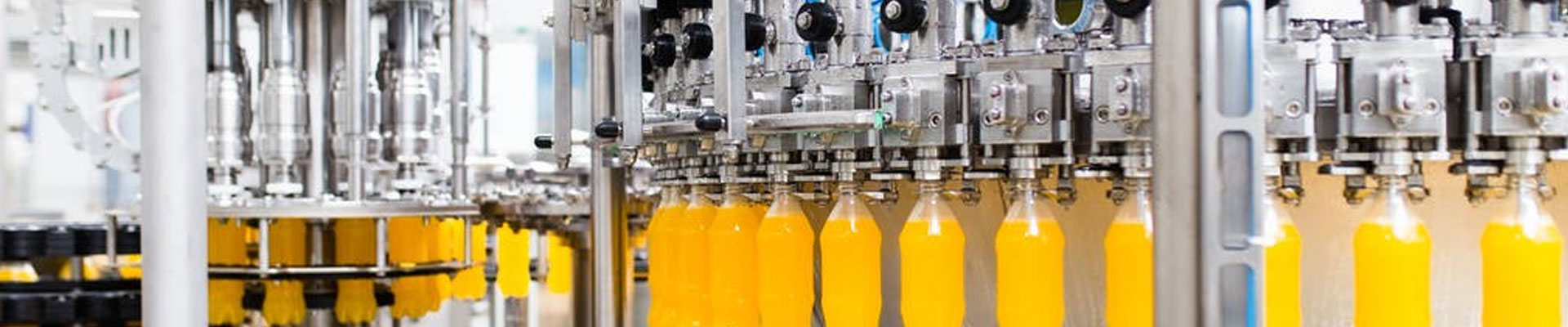
● A beer filling machine should transfer beer smoothly under stable pressure. Gentle filling reduces turbulence, excessive foam, carbonation loss, and contact between beer and air.
● CO₂ purging helps remove air from cans or bottles before filling. Purge pressure, flow, timing, and nozzle position must remain consistent.
● Filling and sealing should operate as one coordinated process. Long transfer times leave filled containers open and increase oxygen exposure.
● Cold beer retains carbonation more effectively and usually fills more smoothly. Stable temperature and pressure also improve fill accuracy.
● Oxygen levels should be measured at several production points. Visual checks alone cannot confirm low oxygen pickup.
● Equipment selection should consider filling technology, sanitary design, sealing quality, cleaning access, capacity, and technical support.
Controlling oxygen begins by identifying every possible entry point. Many production teams focus mainly on the filling valve. However, oxygen can enter before filling starts and after the container is closed.
Every empty can or bottle contains air. When beer enters an unpurged container, some of this air may remain inside the package.
CO₂ pre-purging displaces air before filling begins. Effective purging depends on gas flow, purge time, nozzle position, and container size. A weak or uneven purge may leave oxygen near the bottom of the container.
The purge process should remain stable throughout production. Operators should check gas pressure during startup, normal operation, and line restarts.
Air may remain inside hoses, pipes, tanks, and valve chambers after cleaning. It may also enter through damaged seals, loose clamps, or poorly connected fittings.
The complete beer path should be purged before production. Operators should remove residual water and trapped air before beer reaches the filler.
Routine inspections should include valves, joints, gaskets, and product connections. A small air leak can affect many packages before it becomes visible.
Fast or uncontrolled beer flow creates splashing. This increases the liquid surface exposed to gas inside the container.
A stable filling process helps beer enter smoothly. Accurate valves, balanced pressure, and secure container support reduce unnecessary movement. These features also improve fill consistency and limit product loss.
The space above the beer can still contain oxygen. This air becomes trapped when the lid or cap is applied.
Controlled foam helps push air from the headspace. The container must be sealed before the foam collapses. This requires reliable timing between filling and closure placement.
A filled container should not remain open for long. Conveyor delays, machine stops, and poor synchronization increase oxygen exposure.
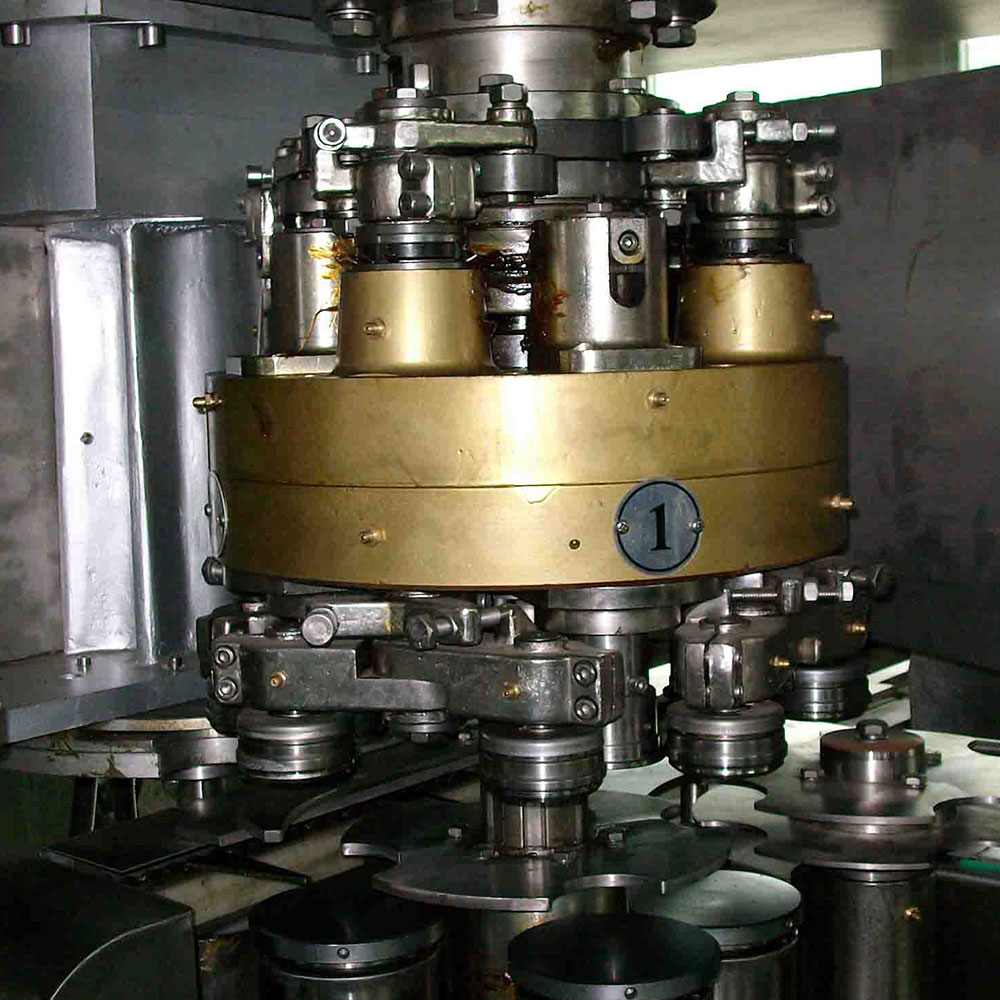
An integrated small craft beer can filling and sealing machine shortens the transfer between filling and seaming. It also helps both operations run at a coordinated speed.
Oxygen control does not end when filling stops. A damaged seam, loose cap, or incorrectly applied closure may allow air to enter during storage.
Production teams should inspect seam tightness, overlap, wrinkles, and package leakage. Closure checks are especially important after machine adjustments, format changes, or unexpected stops.
Tip: Create an oxygen-risk map covering the tank, pipes, filler, conveyor, seamer, and finished package.
Carbonated beer requires controlled pressure during packaging. Sudden pressure changes can cause excessive foam, carbonation loss, and inconsistent filling.
An isobaric system creates a more stable environment for beer transfer. It helps the machine fill carbonated products without creating unnecessary turbulence.
Isobaric filling balances pressure between the container and the product system. Beer can then enter under controlled conditions.
This process reduces sudden CO₂ breakout. It also supports gentler filling, more stable carbonation, and better fill-level accuracy.
The correct pressure depends on beer temperature and carbonation. Each product should have a tested filling recipe.
Filling valves control beer flow, filling time, and final liquid level. Poor valve performance may create sudden flow changes or uneven filling.
High-precision valves support repeatable operation. They should open and close smoothly while maintaining stable product pressure.
A no-container-no-fill function also prevents beer from discharging when no container is present. This reduces waste and keeps the filling area cleaner.
Containers may tilt, shake, or move incorrectly during production. Unstable movement can disturb beer flow and delay sealing.
Bottom supports, guides, and transfer components help keep containers in the correct position. Proper machine adjustment is important when running different can or bottle heights.
The filler and closure system must operate at matching speeds. Poor synchronization may create container buildup, open-package delays, and unstable foam.
Automatic controls help coordinate filling, container transfer, and sealing. Operators can also adjust production speed according to beer condition and package format.
CO₂ purging, foam control, and sealing must work together. Good purging cannot fully protect beer when the filled container remains open for too long.
CO₂ should displace air from the complete container. It should not simply mix with the air near the opening.
Operators should set purge time according to container volume and production speed. They should also verify nozzle alignment and gas pressure.
Excessive CO₂ use does not always improve results. Leaks, poor nozzle placement, or weak timing should be corrected first.
A small foam layer can help remove air from the container opening. However, uncontrolled foam may cause beer loss and inconsistent fills.
Warm beer, low filling pressure, or sudden venting often creates excessive foam. These process problems should be corrected instead of relying on slower manual handling.
The ideal foam remains active until the lid or cap is applied.
The transfer distance between filling and sealing should remain short. Production speeds must also stay synchronized.
Integrated equipment reduces handling and open-container exposure. It may also improve hygiene because containers move through fewer separate transfer points.
A reliable closure protects beer during transport and storage. A weak seam can undo every oxygen-control step used earlier.
Inspect closures at startup and during production. Repeat checks after speed changes, container changes, maintenance work, or unexpected stoppages.
Oxygen risk | Main control method | Expected benefit |
Air inside empty containers | CO₂ pre-purge | Less oxygen before filling |
Air inside product pipes | Product-path purging | Lower startup oxygen pickup |
Turbulent beer flow | Stable pressure and accurate valves | Less foam and air contact |
Oxygen in the headspace | Controlled foam and fast sealing | Less trapped air |
Weak seams or caps | Closure and leak inspection | Better storage protection |
Note: Higher gas consumption cannot compensate for damaged seals, unstable pressure, or delayed closure.
Beer condition has a direct effect on filling performance. A machine cannot maintain stable results when beer temperature and pressure change throughout production.
Cold beer holds dissolved CO₂ more effectively. It usually produces less uncontrolled foam during filling.
Temperature should remain stable from the beer tank to the filling valve. Long or uninsulated product lines may allow beer to warm before it reaches the machine.
Teams should measure temperature near the filler. Tank readings alone may not show the actual filling condition.
Different beer styles may require different pressure settings. A highly carbonated beer may not fill well under settings created for a lower-carbonation product.
Pressure that is too low may cause breakout and foam. Excessive pressure may slow production or increase gas consumption.
Each beer should have a validated recipe covering temperature, pressure, fill speed, and vent timing.
Rapid venting can release CO₂ too quickly. It may create unstable foam and uneven fill levels.
Valve timing and depressurization should remain smooth. Teams should monitor these conditions during startup and after production interruptions.
Tip: Record temperature, pressure, speed, and foam condition for every approved beer recipe.
Visual checks are useful, but they cannot confirm oxygen performance. A normal fill height or attractive foam layer does not prove low oxygen pickup.
Measurement allows teams to locate problems and compare performance between shifts, products, and machine settings.
Dissolved oxygen measures oxygen in the beer. Total packaged oxygen also includes oxygen inside the container headspace.
A package may show acceptable dissolved oxygen but still contain too much headspace oxygen. Both values matter because the closure traps the complete package environment.
Samples should be taken from several production points. Useful locations include the beer tank, filler inlet, filled container, and sealed package.
This approach helps identify where oxygen enters. It can separate tank problems from filler, transfer, or sealing problems.
Startup packages should be checked separately. Oxygen may be higher before the product path and machine conditions become stable.
Set internal oxygen limits for every beer and package format. Record results beside machine speed, product temperature, pressure, operator, and production time.
Trend data is more useful than one isolated result. Gradually rising oxygen may indicate worn seals, weak purging, unstable valves, or closure problems.
Packages should also be tested after long stops, maintenance work, and format changes.
Reliable equipment still requires a disciplined operating process. Poor startup and restart procedures may introduce oxygen even when the machine is correctly designed.
Confirm that cleaning is complete before beer enters the machine. Remove rinse water, purge the product circuit, and stabilize operating pressure.
The first packages should be separated until filling conditions become stable. Testing them helps determine when normal production can begin.
Maximum output is not always the best operating speed. The process needs enough time for purging, filling, foam formation, and sealing.
The available beer filling machine range includes systems for different container types and production capacities. Buyers should choose output based on realistic demand and supporting equipment.
Running too quickly may shorten purge time or create unstable container transfer. Running too slowly may increase product warming and open-container exposure.
A stopped line may leave filled containers between the filler and seamer. Their foam may collapse while pressure and temperature conditions change.
Create clear rules for rejecting exposed containers. Before restarting, verify purge pressure, fill condition, closure supply, and seamer operation.
Operators should understand purge time, beer pressure, filling speed, vent timing, foam condition, and closure quality.
They should record setting changes and explain why each adjustment was made. Standard procedures reduce variation between operators and shifts.
Alarm records and production logs also help maintenance teams identify recurring faults.
Note: Restart procedures should receive the same attention as normal production settings.
Machine selection should begin with beer quality targets. Capacity matters, but output alone cannot protect flavor and shelf life.
Look for CO₂ purging, isobaric filling, accurate valve operation, controlled venting, and rapid closure placement.
Ask how containers are supported during filling. Buyers should also confirm whether the machine allows convenient oxygen sampling and process inspection.
Separate machines may offer layout flexibility. However, they can create longer transfers and more open-container exposure.
An integrated filler-seamer shortens the path between filling and closure. It also simplifies speed coordination and reduces additional handling.
This design may support better hygiene, more stable foam, and more consistent package quality.
Beer residues inside pipes or valves may affect product stability. The machine should provide accessible product-contact parts and a cleanable flow path.
Review drainage, seal materials, valve access, cleaning procedures, and chemical compatibility. The cleaning system should match the brewery’s production schedule.
A filler must work with upstream beer supply and downstream equipment. A complete beer bottling line may include rinsing, filling, sealing, pasteurizing, drying, coding, and packing.
Before purchasing, confirm package sizes, target output, available space, utilities, and future expansion plans. The selected equipment should solve current needs without creating another bottleneck.
Oxygen control depends on reliable purging, stable pressure, gentle filling, foam management, and fast sealing. Mars Packing Machinery provides integrated beer filling solutions featuring isobaric operation, accurate valves, automatic controls, and stable container handling. Its equipment and line services help producers improve packaging consistency, reduce product loss, and protect beer freshness throughout storage and distribution.
A: A beer filling machine uses CO₂ purging, stable pressure, gentle filling, and fast sealing.
A: It reduces foam, turbulence, and carbonation loss during container filling.
A: A beer filling machine may improve freshness by reducing oxygen during packaging.
A: Warm beer, low pressure, or sudden venting often creates excess foam.
A: Capacity, automation, container type, and line configuration influence total cost.
A: It usually shortens transfer time and reduces open-container oxygen exposure.