- All
- Product Name
- Product Keyword
- Product Model
- Product Summary
- Product Description
- Multi Field Search
Views: 0 Author: Site Editor Publish Time: 2025-12-25 Origin: Site
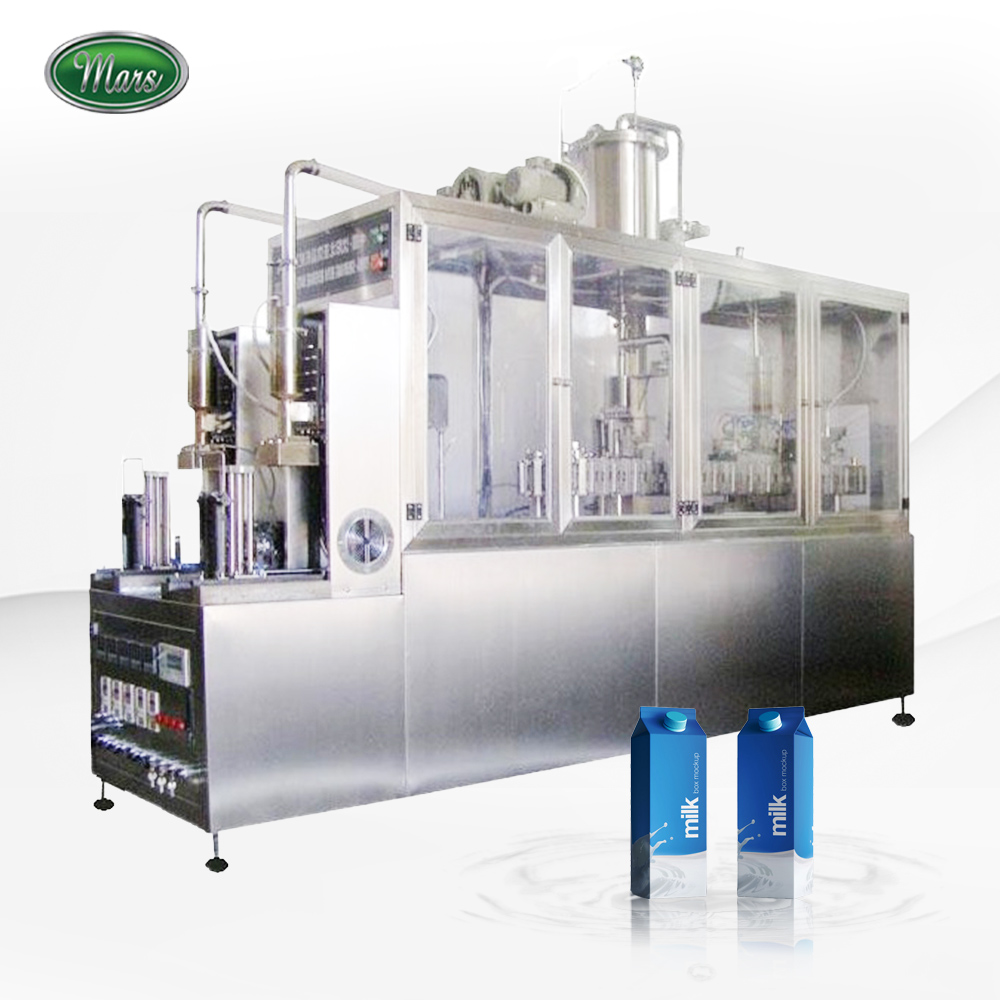
In the modern dairy industry, filling machines are essential for ensuring efficient, hygienic, and accurate packaging of dairy products such as milk, yogurt, cream, and butter. As demand for dairy products grows globally, the need for high-speed, precision-engineered filling machines has never been more critical. These machines not only streamline production but also contribute to maintaining product quality, reducing waste, and meeting stringent safety standards.
Dairy filling machines are indispensable in the dairy industry, as they ensure precise and efficient filling of liquid and semi-liquid products into containers, with optimal speed, accuracy, and hygiene.
In this article, we’ll explore the tips and tricks to maximize the performance of dairy filling machines, share testimonies from industry experts, and provide insights on how to choose the right machine for your production needs. From understanding the different types of dairy filling machines to troubleshooting common issues, this guide will provide valuable knowledge for optimizing your dairy filling operations.
Understanding Dairy Filling Machines
Types of Dairy Filling Machines
Choosing the Right Dairy Filling Machine
Tips and Tricks for Maximizing Efficiency
Common Problems and Solutions
Testimonies from Industry Experts
Conclusion
Dairy filling machines are automated systems designed to fill liquid or semi-liquid dairy products into bottles, jars, or other containers with accuracy and efficiency.
These machines are critical in ensuring that dairy products maintain their quality and integrity during the packaging process. By accurately dispensing the right volume of product into each container, they reduce the chances of overfilling or underfilling, which can lead to product wastage or inconsistent packaging. Additionally, dairy filling machines are built to meet high sanitary standards, which are crucial in dairy product production to avoid contamination.
Modern dairy filling machines come with a range of features such as automated cleaning systems, high-speed filling capabilities, adjustable filling volumes, and precision filling nozzles. These machines are designed to handle a variety of dairy products, including both low-viscosity liquids like milk and high-viscosity products such as yogurt or cream.
High-speed filling capabilities
Adjustable fill volumes
Automatic cleaning systems (CIP - Clean in Place)
Hygienic design to meet food safety standards
Flexible for different container sizes and shapes
Precision nozzles for minimizing spillage
There are several types of dairy filling machines, each designed to handle different product viscosities, container types, and production speeds.
Generally, dairy filling machines are categorized based on their method of filling and the type of dairy product they are designed to handle. The two main categories are volumetric filling and gravimetric filling. Volumetric filling is ideal for high-speed production, where a precise volume of product is dispensed into each container. Gravimetric filling, on the other hand, is used when more accuracy is required in terms of weight, particularly for products with varying viscosities.
Common types of dairy filling machines include:
Volumetric Filling Machines: Used for filling containers with a fixed volume of liquid. These machines are highly efficient and suitable for low to medium viscosity dairy products like milk.
Gravimetric Filling Machines: These machines use weight measurement for precise filling, making them ideal for more viscous dairy products like yogurt and cream.
Flowmeter Filling Machines: Best for handling liquids with consistent flow characteristics, these machines measure the flow rate of the liquid and adjust accordingly to ensure accurate filling.
Positive Displacement Filling Machines: These are highly accurate machines used for high-viscosity liquids, capable of filling thick products like cream cheese, butter, and margarine.
Inline Filling Machines: Designed for automated systems with continuous processing, they provide fast, consistent filling for a wide range of container types.
Choosing the right dairy filling machine depends on your production needs, product characteristics, and desired filling precision.
When selecting a dairy filling machine, it’s essential to consider the type of dairy product you’re filling, the required speed, and the containers you’re using. For instance, if you're filling milk or other liquid dairy products, volumetric or flowmeter filling machines are ideal. For thicker products such as yogurt, a gravimetric or positive displacement filler is more appropriate.
Other important considerations include:
Product viscosity: Choose a filling machine that can handle the specific viscosity of your product to ensure accurate and efficient filling.
Production speed: High-speed filling machines are ideal for large-scale operations, while slower machines may be more suitable for smaller production volumes.
Container size and shape: Ensure that the machine is compatible with the container types and sizes you plan to use.
Sanitation and cleaning: The machine should be easy to clean and maintain to comply with food safety regulations.
Automation level: Some filling machines offer more automation for easier operation, while others may require more manual control.
| Factor | Considerations |
|---|---|
| Product Type | Choose based on liquid or semi-liquid viscosity |
| Production Volume | High-speed machines for large-scale production |
| Container Type | Compatibility with various sizes and shapes of containers |
| Maintenance and Hygiene | Ease of cleaning and compliance with food safety standards |
Maximizing the efficiency of your dairy filling machine involves maintaining optimal machine settings, regular maintenance, and using the correct components for the product being filled.
To ensure smooth operation, adjust the fill volume and speed settings according to the type of dairy product you’re filling. For high-viscosity products like yogurt, use slower fill speeds and ensure the filling nozzles are wide enough to prevent clogging. For thin liquids like milk, increase the speed without sacrificing accuracy.
Regular maintenance is crucial for preventing downtime and ensuring consistent output. Clean the filling nozzles regularly to prevent build-up, check for wear and tear on seals and gaskets, and lubricate moving parts as needed. Additionally, always use high-quality components that match the specifications for your product to prevent contamination and product wastage.
Regularly clean nozzles and filling chambers
Inspect seals and gaskets for wear and replace as necessary
Lubricate moving parts and check alignment
Check for any product build-up inside the machine
Common problems with dairy filling machines include inconsistent fill levels, clogging, and contamination. These issues can be addressed by adjusting machine settings, performing regular maintenance, and ensuring correct component compatibility.
Inconsistent fill levels can occur if the machine’s fill volume is not calibrated correctly. Always calibrate your machine regularly to ensure accuracy. Clogging can be caused by thick products or incorrect nozzle sizes. Make sure the nozzles are appropriately sized for the viscosity of your product, and clean them frequently.
Contamination is a major concern in the dairy industry. To prevent this, ensure that the filling machine is thoroughly cleaned after every batch, use food-safe lubricants, and maintain airtight seals to avoid contamination from external sources.
| Problem | Solution |
|---|---|
| Inconsistent fill levels | Calibrate the machine, check nozzle alignment |
| Clogging | Use appropriate nozzles, clean regularly |
| Contamination | Regular cleaning, check for seal integrity |
Industry experts emphasize the importance of choosing the right dairy filling machine to ensure efficiency, product quality, and cost-effectiveness.
According to an expert in dairy manufacturing, “The speed and accuracy of the filling machine can make or break our production. We opted for a high-speed volumetric filler, and it’s been instrumental in meeting our growing demands. The automatic cleaning system is also a huge time-saver.”
Another dairy production manager shares, “We initially struggled with clogging issues, but after upgrading to a positive displacement filling system, we’ve seen significant improvements in product consistency and waste reduction.”
Choosing the right Dairy Filling Machine is critical for maintaining efficiency, product quality, and compliance with food safety standards in the dairy industry. Whether you are filling milk, yogurt, or other dairy products, the machine's design, speed, and features play a pivotal role in your overall production process. Regular maintenance, proper settings adjustments, and selecting the appropriate machine for your product type are essential steps in optimizing your operations.
By incorporating best practices, addressing common problems proactively, and learning from industry experts, dairy manufacturers can achieve long-term success in their filling operations.