- All
- Product Name
- Product Keyword
- Product Model
- Product Summary
- Product Description
- Multi Field Search
Views: 0 Author: Site Editor Publish Time: 2026-01-07 Origin: Site

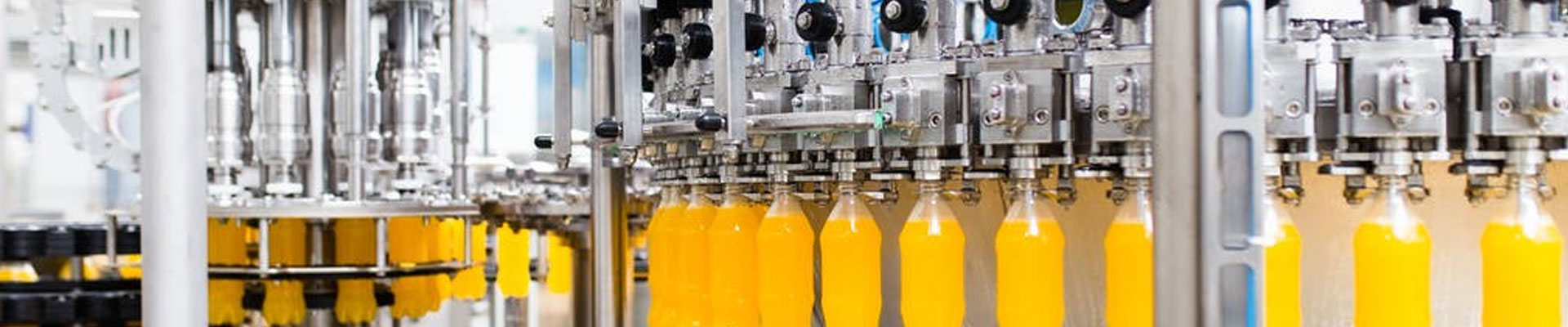
As industrial production speeds continue to increase, temperature control has become one of the most critical factors affecting product quality, safety, and efficiency. In modern beverage and food factories, products often leave filling, pasteurization, or sterilization stages at elevated temperatures. Without effective cooling, these products may suffer from deformation, quality degradation, or reduced shelf life. This challenge is especially evident in high speed Juice Bottling Line operations, where thousands of bottles per hour must be cooled quickly and uniformly.
A Cooling Tunnel is an essential industrial solution that rapidly and evenly reduces product temperature after filling or heat treatment, ensuring stability, safety, and consistent quality throughout the Juice Bottling Line.
In this in depth guide, we will explore how cooling tunnels work, why they are indispensable in food and beverage processing, what features define a high quality system, and how cooling tunnels integrate with key equipment such as Liquid Nitrogen Dosing Machine units, Bottle Inverted Sterilizers, and Bottle Spray Cooling Tunnel systems. This article provides a complete technical and practical overview for decision makers seeking reliable cooling solutions.
What is a Cooling Tunnel, and How Does it Work?
Why Choose a Cooling Tunnel for Food Processing?
What are the Key Features of a High Quality Cooling Tunnel?
How to Choose the Best Cooling Tunnel Manufacturer?
What are the Different Applications of Cooling Tunnels?
A Cooling Tunnel is a continuous industrial system designed to reduce the temperature of filled or processed products using controlled water sprays or air circulation, forming a critical stage within a Juice Bottling Line.
In a typical Juice Bottling Line, products exit filling or thermal processing at high temperatures. The cooling tunnel uses a conveyor system to transport bottles through multiple cooling zones. Each zone gradually lowers the product temperature using recirculated water sprays or controlled airflow. This step by step cooling prevents thermal shock and protects packaging integrity.
The most common design in beverage factories is the Bottle Spray Cooling Tunnel. In this configuration, bottles are sprayed with water at decreasing temperatures as they move through the tunnel. Sensors monitor temperature at the inlet and outlet, ensuring consistent cooling performance. When combined with a Liquid Nitrogen Dosing Machine, internal pressure and external cooling work together to maintain bottle shape and strength.
Cooling tunnels also interact closely with Bottle Inverted Sterilizers earlier in the Juice Bottling Line. After sterilization and filling, proper cooling ensures that microbial control is maintained while preventing condensation related issues. The result is a stable, hygienic, and visually appealing final product.
A Cooling Tunnel is essential for food and beverage processing because it ensures product safety, packaging stability, and efficient downstream handling within a Juice Bottling Line.
One of the primary reasons to use a cooling tunnel is thermal control. Hot filled beverages must be cooled quickly to prevent overprocessing and preserve flavor, color, and nutritional value. In a Juice Bottling Line, uneven cooling can lead to inconsistent quality and increased rejection rates.
Packaging protection is another major benefit. Lightweight bottles used in modern Juice Bottling Line systems are vulnerable to deformation when exposed to heat. A Bottle Spray Cooling Tunnel works in synergy with a Liquid Nitrogen Dosing Machine to balance internal and external pressures, significantly reducing the risk of bottle collapse or warping.
Operational efficiency also improves with a cooling tunnel. Proper cooling stabilizes bottles before labeling, coding, and packing. This reduces downtime caused by misaligned labels or conveyor jams. From a compliance standpoint, cooling tunnels help meet food safety and hygiene standards by maintaining controlled temperatures throughout the production flow.
A high quality Cooling Tunnel is defined by precise temperature control, hygienic design, energy efficiency, and seamless integration into the Juice Bottling Line.
Temperature zoning is a critical feature. Advanced cooling tunnels divide the process into multiple zones, allowing gradual temperature reduction. This is particularly important for Bottle Spray Cooling Tunnel systems handling glass or thin wall plastic bottles. Controlled cooling minimizes stress on containers and ensures consistent results.
Hygienic construction is equally important. Cooling tunnels are typically built using corrosion resistant materials and designed for easy cleaning. In a Juice Bottling Line, compatibility with Bottle Inverted Sterilizers and clean in place systems ensures food safety and regulatory compliance.
Energy and water efficiency are increasingly important considerations. Modern cooling tunnels incorporate water recirculation systems, heat exchangers, and smart controls to minimize resource consumption. When paired with a Liquid Nitrogen Dosing Machine, overall system efficiency improves by reducing the need for heavier packaging materials.
Key features often include
Multi stage spray zones with adjustable temperatures
Automated control panels integrated into the Juice Bottling Line
Hygienic drainage and filtration systems
Modular designs for easy expansion or maintenance
Choosing the right Cooling Tunnel manufacturer requires evaluating technical expertise, customization capability, and experience with complete Juice Bottling Line integration.
First, manufacturers should demonstrate deep understanding of beverage processing requirements. A cooling tunnel must work seamlessly with upstream and downstream equipment such as Liquid Nitrogen Dosing Machine systems, fillers, and Bottle Inverted Sterilizers. Poor integration can lead to bottlenecks or inconsistent cooling.
Customization is another critical factor. Every Juice Bottling Line has unique parameters including bottle size, production speed, and temperature requirements. A reliable manufacturer can tailor the Bottle Spray Cooling Tunnel length, spray configuration, and control logic to match specific operational needs.
After sales support and technical service also matter. Cooling tunnels are long term investments, and responsive service ensures stable operation over time. Manufacturers with global support networks and readily available spare parts provide greater operational security.
Decision makers should assess
Proven experience in Juice Bottling Line projects
Ability to integrate Liquid Nitrogen Dosing Machine technology
Compliance with food safety and hygiene standards
Long term service and technical support capabilities
Cooling Tunnels are widely used across multiple industries, with the Juice Bottling Line being one of the most prominent applications.
In beverage production, cooling tunnels are essential after hot filling or pasteurization. Juice, tea, and functional drinks rely on Bottle Spray Cooling Tunnel systems to stabilize temperature before labeling and packaging. Combined with Liquid Nitrogen Dosing Machine technology, they ensure lightweight bottles maintain structural integrity.
Food processing is another major application. Sauces, dairy products, and ready to eat meals often require controlled cooling to maintain texture and safety. Cooling tunnels provide uniform temperature reduction that batch cooling methods cannot achieve.
Cooling tunnels are also used in pharmaceutical and chemical packaging lines, where precise temperature control is required to protect sensitive formulations. While the design principles remain similar, systems are adapted to meet industry specific standards.
Across all applications, integration with Bottle Inverted Sterilizers and automated conveyors ensures continuous, efficient, and hygienic production flows.
Cooling tunnels have become a cornerstone of modern industrial production, especially within high performance Juice Bottling Line environments. By providing controlled, efficient, and hygienic cooling, they protect product quality, packaging integrity, and operational efficiency.
When integrated with complementary technologies such as Liquid Nitrogen Dosing Machine systems, Bottle Inverted Sterilizers, and Bottle Spray Cooling Tunnel designs, cooling tunnels deliver a complete temperature management solution. For manufacturers seeking reliability, scalability, and long term value, investing in the right cooling tunnel is a strategic step toward future ready production.