- All
- Product Name
- Product Keyword
- Product Model
- Product Summary
- Product Description
- Multi Field Search
Views: 0 Author: Site Editor Publish Time: 2025-11-18 Origin: Site

The juice production process involves several intricate steps, from sourcing raw ingredients to final packaging. However, it’s not just about creating a tasty product; the entire production line must ensure that the juice is safe, high-quality, and consistent. This is where quality control plays a vital role. Quality control checkpoints are embedded throughout the juice production line to guarantee the end product meets the required standards, both in taste and safety.
Quality control is essential in every stage of the juice production line to ensure that the final product is safe, consistent, and of high quality. It helps prevent defects, contamination, and other issues that can arise during processing. By implementing a series of quality checks, juice manufacturers can avoid waste, maintain customer trust, and comply with regulatory standards.
In this article, we will explore the critical quality control checkpoints throughout the juice production process, from raw material selection to packaging. We’ll dive deep into each stage of the production line and explain how these checks help maintain product excellence.
Raw Material Inspection
Washing and Sorting of Ingredients
Juice Extraction and Processing
Pasteurization and Sterilization
Filling and Packaging
Final Quality Control and Testing
Conclusion
The first quality control checkpoint occurs before production begins — inspecting the raw materials. The quality of the ingredients directly affects the final juice product. At this stage, it is crucial to assess the fruits, vegetables, or other ingredients for ripeness, cleanliness, and potential contaminants.
Before anything is processed, raw materials must be visually inspected for any signs of spoilage, mold, or damage. Imperfect or overripe ingredients can lead to off-flavors in the final product and can cause inconsistencies in the taste.
In addition to visual inspections, it is common to test for pesticide residues, preservatives, or contaminants such as heavy metals. These tests ensure the juice will be safe for consumption and comply with food safety standards.
For juice manufacturers that focus on high-end or artisanal products, taste testing of the raw ingredients is an important step. This ensures that the natural flavors of the fruit or vegetable are present and of optimal quality before extraction.
By inspecting the raw materials thoroughly, juice manufacturers can ensure that they are starting the production process with the highest-quality ingredients.
Once the raw materials are inspected, they undergo washing and sorting to remove dirt, pesticides, and other contaminants. This step is critical for maintaining the cleanliness and safety of the juice.
Automated washing systems, such as high-pressure water jets or chlorine washes, are used to thoroughly clean the raw ingredients. This removes dirt, bacteria, and any other residue that may affect the taste or safety of the juice.
Sorting is another important quality control checkpoint. Automated sorting systems help separate imperfect or damaged ingredients from the healthy ones. This ensures that only the best-quality produce makes it into the juice.
After washing, a secondary visual inspection is performed to ensure that all residues have been removed, and the ingredients are clean and safe to process.
The extraction and processing stage is where the juice begins to take form. Quality control during this phase is vital to ensure that the juice retains its fresh taste and nutritional value.
Whether it’s through mechanical pressing, cold pressing, or centrifugal extraction, the method of juice extraction can impact the flavor, texture, and nutritional profile. During extraction, quality control measures check that the juice is being extracted efficiently, with minimal oxidation, to retain freshness and taste.
If the juice is being made from a blend of fruits or vegetables, the proportions and ratios need to be precise to ensure consistency in taste and quality. Automated blending systems ensure the ingredients are mixed properly, with checks at each step to verify that the flavor profile is accurate.
The juice is regularly tested for consistency in color, texture, and sugar content during the extraction and processing stages. This ensures that each batch meets the desired specifications and that there is no deviation in the product's appearance or taste.
Pasteurization and sterilization are crucial to ensure the juice is free from harmful microorganisms. This stage involves heating the juice to a certain temperature to kill bacteria, yeasts, and molds, while still preserving the natural flavors and nutrients.
The pasteurization process involves precise temperature control, as overheating can alter the juice’s taste and nutritional content. Continuous monitoring of the temperature during pasteurization ensures that the juice is heated for the right amount of time to destroy harmful microorganisms without compromising quality.
Before and after pasteurization, microbial testing is conducted to confirm that the juice is free of pathogens. This includes testing for common contaminants like E. coli and Salmonella. Ensuring microbial safety is a critical quality control measure in any food processing operation.
Sensors are used to monitor pressure, temperature, and flow during pasteurization. These sensors must be regularly calibrated to ensure they provide accurate readings and the pasteurization process is effective.
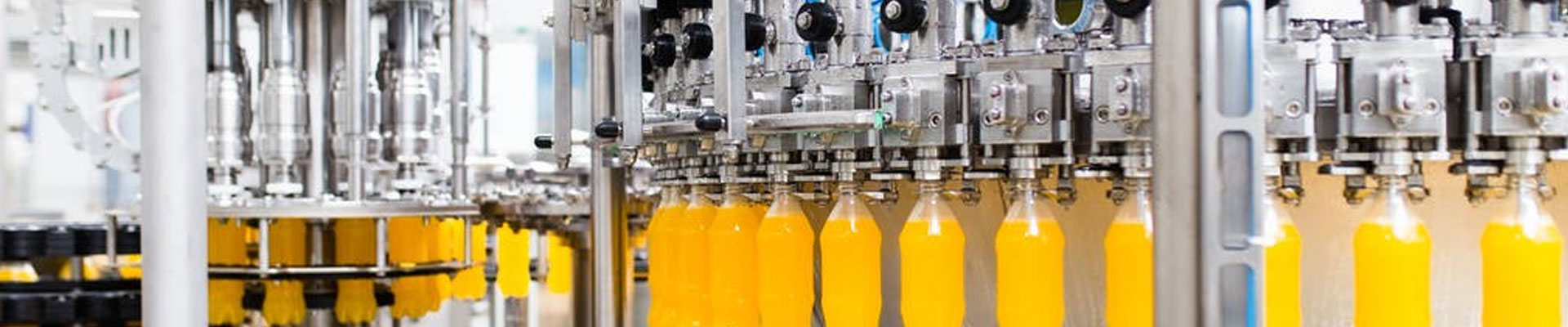
Filling and packaging are the final steps before the juice is ready for distribution. Proper handling at this stage ensures that the juice remains fresh, sealed, and protected during transport.
The filling machines are calibrated to ensure that each bottle or container is filled to the correct level. Overfilling or underfilling not only wastes juice but also affects the consumer experience. Regular checks for consistency and accuracy are crucial during this stage.
After filling, the juice containers are sealed with caps or lids. The sealing process is inspected to ensure that no leaks or contaminants can enter the containers. A secure seal also helps preserve the juice’s freshness.
Each container is labeled with product information, including the batch number, expiration date, and nutritional content. These labels are checked for accuracy, ensuring that the consumer receives the right product with the correct information.
Even after the juice is bottled or canned, there are still crucial quality control checks to be made. This is the final stage before the product reaches the consumer.
Before distribution, sensory testing is conducted to ensure that the juice meets flavor, aroma, and visual standards. Trained quality control personnel assess the juice to confirm that it tastes fresh and has the correct flavor profile.
The integrity of the final packaging is checked to ensure there are no defects. This includes inspecting for punctures, leaks, or improper seals that could affect the quality of the juice.
Samples of the juice are stored in controlled environments to test their shelf life. This helps determine how the juice will perform over time and ensures it will remain fresh until it reaches the consumer.
Quality control is essential at every stage of the juice production line. From raw material inspection to final packaging, ensuring the safety, consistency, and taste of the juice is critical for maintaining high standards and consumer satisfaction. By implementing stringent quality control measures throughout the process, juice manufacturers can produce a product that meets regulatory standards, maintains freshness, and satisfies the demands of customers.
As the juice production industry continues to grow, investing in advanced technology and continuous improvement of quality control systems will be key to staying competitive. With the right equipment, procedures, and commitment to excellence, manufacturers can guarantee that every bottle of juice they produce meets the highest quality standards.