- All
- Product Name
- Product Keyword
- Product Model
- Product Summary
- Product Description
- Multi Field Search
Views: 0 Author: Site Editor Publish Time: 2025-08-03 Origin: Site
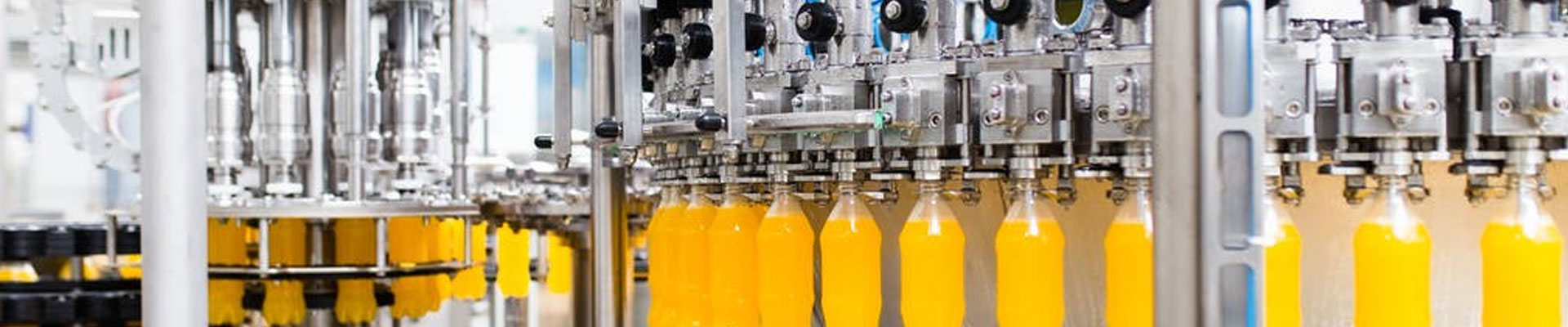
In today's fast-paced world, efficient packaging is crucial. Have you ever wondered how your favorite beverages are bottled so perfectly? Liquid bottle filling machines, including water filling machines, play a vital role in modern manufacturing, ensuring precision and speed. In this article, you'll learn about the different types of filling machines, their importance in production, and how to choose the right one for your needs.

When it comes to liquid bottle filling machines, various types serve different production needs. Each type works best for specific liquids and bottle styles. Here’s a look at the main types you’ll encounter:
These machines use gravity to let liquid flow from a tank into bottles. The liquid simply falls through a valve into the container below.
How it works: Liquid flows naturally due to gravity.
Best for: Thin, free-flowing liquids like water, juice, or soft drinks.
Advantages: Simple design, low cost, easy to maintain.
Limitations: Not ideal for thick or viscous liquids; less precise for small volumes.
Piston fillers use a piston to pull liquid from a reservoir and push it into bottles in exact amounts.
How it works: The piston moves back and forth, drawing and dispensing liquid.
Best for: Thick or viscous liquids like creams, oils, and sauces.
Advantages: High accuracy and repeatability; handles a wide range of viscosities.
Limitations: More complex than gravity fillers; requires careful maintenance.
Vacuum fillers create a vacuum inside the bottle to draw liquid in gently.
How it works: A vacuum pulls liquid into the bottle, preventing foam or bubbles.
Best for: Carbonated drinks, wine, or foamy liquids.
Advantages: Minimizes oxidation and spillage; preserves delicate liquids.
Limitations: Typically slower; specialized for sensitive products.
These use rollers to compress a flexible tube, pushing liquid through without contamination.
How it works: Rollers squeeze the tube, moving liquid forward.
Best for: Sterile or sensitive liquids in pharmaceuticals, food, and beverages.
Advantages: Clean filling process; no contact between liquid and pump parts.
Limitations: Limited to smaller volumes; tubing requires regular replacement.
Auger fillers use a rotating screw to move powders or thick pastes into containers.
How it works: The auger screw rotates, dispensing the product into the bottle.
Best for: Powders, granules, and thick pastes like cosmetics or food powders.
Advantages: Accurate for dry or semi-solid products; easy to adjust.
Limitations: Not suitable for liquids; specialized for powders and heavy pastes.
Tip: Choose a filling machine type based on your liquid’s viscosity and production needs. For example, piston fillers suit thick sauces, while gravity fillers work best for water or juices. This match ensures efficiency and product quality.
Liquid bottle filling machines rely on several essential parts to deliver precise, efficient, and safe filling. Each component plays a key role in the smooth operation of the system, ensuring bottles are filled accurately and quickly. Here’s a detailed look at the main components:
The filling nozzles are the direct interface between the machine and the bottle. They control how the liquid enters the container.
Standard Nozzles: Used for thin liquids like water or juices. They allow smooth flow without splashing.
Anti-Drip Nozzles: Designed to prevent drips after filling, keeping the bottle and workspace clean.
Foam Nozzles: Specially made for foamy liquids, these prevent overflow during filling.
Nozzles help maintain accuracy by controlling flow rate and minimizing spills. Choosing the right nozzle type depends on the liquid’s viscosity and packaging needs.
The control system automates the filling process, managing flow, volume, and timing.
Automation: It ensures consistent fill levels and adapts to different bottle sizes or liquid types.
User Interface: Modern machines often feature touchscreen panels, allowing operators to adjust settings easily.
Sensors: Detect bottle presence and fill level, preventing overflows or missed fills.
This system is crucial for precision and helps reduce human error during production.
Conveyors transport bottles through the filling process smoothly and efficiently.
Bottle Handling: Conveyors position bottles correctly under nozzles for filling.
Integration: They synchronize with filling cycles to maintain continuous production flow.
Labor Reduction: By automating bottle movement, conveyors reduce manual handling and speed up the line.
A well-designed conveyor system is vital for high-volume operations and minimizing downtime.
Pumps move the liquid from the storage tank to the filling nozzles, powered by motors.
Pump Types:
Peristaltic Pumps: Ideal for precise dosing and handling sensitive or thick liquids.
Diaphragm Pumps: Versatile for various viscosities, offering steady flow.
Motors: Usually electric or pneumatic, motors drive pumps and other mechanical parts.
Flow Control: Pumps regulate liquid pressure and speed to ensure accurate fills.
Choosing the right pump ensures gentle handling of liquids and consistent output.
Tip: Regularly inspect filling nozzles and clean pumps to maintain accuracy and prevent contamination in your filling line.
Selecting the perfect liquid bottle filling machine means considering several key factors. These help ensure the machine fits your production needs and handles your specific liquids and containers effectively.
Start by thinking about your product and production goals. What kind of liquid will you fill? How fast must the machine work? What bottle sizes and shapes do you use? Your answers guide the choice.
Liquid Viscosity: Thin liquids like water or juice flow easily and can use gravity fillers. Thicker liquids like oils, creams, or sauces need piston or pump fillers for accurate dispensing.
Bottle Size and Type: Machines must support your bottle dimensions. Some machines adjust quickly for different sizes, while others require change parts. Narrow-neck bottles need special nozzles to avoid spills.
Production Volume: Small batches suit manual or semi-automatic machines. Large volumes demand fully automatic systems with conveyors and multiple filling heads.
Budget and Cost: Balance upfront price against long-term costs. Cheaper machines may cost more in maintenance or downtime. Energy-efficient models save money over time.
Automation Level: Decide between manual, semi-automatic, or fully automatic. Automation boosts speed and consistency but comes with higher initial investment.
Hygiene Requirements: Food and pharmaceutical products need machines built from stainless steel with easy-to-clean parts, sometimes with CIP (Clean-In-Place) systems.
Integration: Consider if the machine integrates with existing lines, including capping, labeling, or packing equipment.
Viscosity affects how liquid flows. Thin liquids pour easily; thick liquids resist flow. Choose a machine designed for your liquid’s thickness.
Thin Liquids: Gravity fillers or overflow fillers work well.
Medium to Thick Liquids: Piston or peristaltic pumps provide precise control.
Highly Viscous Liquids: Heated piston fillers or auger fillers may be needed.
Bottle size also matters. Machines with adjustable guides or quick-change parts help switch between sizes. For example, a machine might fill 100 ml to 1 liter bottles without major downtime.
Your output needs shape the machine type.
Low Volume: Manual or semi-automatic machines are cost-effective and flexible.
Medium Volume: Semi-automatic machines with powered pumps speed up production.
High Volume: Fully automatic machines with multi-head fillers and conveyors maximize throughput.
Cost includes purchase price, installation, maintenance, and energy use. Sometimes investing more upfront saves money later through efficiency and less downtime.
Tip: List your exact liquid type, bottle sizes, and desired output before shopping. This clarity helps vendors recommend the best machine and avoid costly mismatches.
Modern liquid bottle filling machines bring numerous benefits that make them essential for today’s fast-paced manufacturing environments. They improve production efficiency, reduce errors, and control costs while ensuring consistent product quality. Let’s explore these advantages in detail.
Modern machines can fill bottles much faster than manual methods. Automated systems handle multiple bottles simultaneously, often filling dozens or even hundreds per minute. This rapid throughput helps meet high production demands and reduces bottlenecks on the line.
Continuous Operation: Machines with conveyor integration keep bottles moving smoothly, avoiding downtime.
Quick Changeovers: Many models allow fast adjustments for different bottle sizes or liquids, minimizing production delays.
Multi-Head Fillers: Some machines feature multiple nozzles, filling several bottles at once to boost output.
Manual filling often leads to inconsistent volumes, spills, or contamination. Automated machines use precise control systems and sensors to ensure each bottle receives the exact amount of liquid every time.
Consistent Fill Levels: Programmable controls maintain uniformity across batches.
Error Detection: Sensors detect missing bottles or nozzle blockages, stopping the machine to prevent waste.
Less Operator Fatigue: Automation reduces repetitive tasks that cause mistakes.
Though initial investments can be high, modern filling machines save money over time.
Lower Labor Costs: Fewer workers are needed as machines handle filling and sometimes capping or labeling.
Reduced Waste: Accurate fills prevent product loss from overfilling or spills.
Energy Efficiency: Advanced motors and pumps consume less power.
Maintenance Savings: Durable components and easy cleaning designs reduce downtime.
Maintaining product quality is critical, especially in food, beverage, and pharmaceutical industries. Modern machines ensure hygiene and precision.
Accurate Volume Measurement: Precise dosing meets regulatory standards and customer expectations.
Sanitary Design: Stainless steel parts and CIP (Clean-In-Place) systems help prevent contamination.
Real-Time Monitoring: Operators can track performance metrics and adjust settings quickly.
Tip: Regularly calibrate your liquid filling machine’s sensors and control systems to maintain accuracy and prevent costly overfills or underfills.
Liquid bottle filling machines have become vital across many industries, boosting production efficiency and ensuring precise packaging. Let’s explore the key sectors that benefit most from these machines.
The food and beverage sector relies heavily on liquid bottle filling machines for packaging products like juices, oils, sauces, and dairy items. These machines ensure fast, hygienic, and accurate filling, meeting both safety standards and consumer expectations.
Juices and Beverages: Machines fill a variety of liquid drinks quickly, minimizing waste and maintaining freshness.
Oils and Sauces: Specialized fillers handle thick, viscous liquids, preventing leaks and spills.
Dairy Products: Ensuring cleanliness and precise fills for milk, yogurt drinks, and other dairy liquids.
The versatility of these machines allows producers to switch between different liquid types and bottle sizes efficiently, supporting diverse product lines.
In pharmaceuticals, accuracy and hygiene are paramount. Liquid bottle filling machines here ensure exact dosing and sterile conditions, essential for medicines, syrups, and vaccines.
Sterile Filling: Machines use peristaltic or piston fillers to avoid contamination.
Precision: Automated controls deliver consistent volumes, crucial for dosage accuracy.
Compliance: Equipment meets strict regulatory standards for cleanliness and safety.
These machines help pharmaceutical companies maintain product integrity while scaling up production.
Cosmetics require machines that handle a range of liquid viscosities, from thin toners to thick creams. Liquid bottle filling machines provide precision and care to protect delicate formulas.
Varied Viscosity Handling: Piston or pump fillers manage thick lotions and oils without damage.
Clean Operation: Anti-drip nozzles and sanitary designs keep production areas tidy.
Customization: Adjustable settings accommodate different bottle shapes and sizes common in cosmetics.
This flexibility supports cosmetic brands in delivering consistent quality and presentation.
Tip: When choosing a liquid filling machine, consider your industry's specific needs—viscosity, hygiene, and production speed—to select equipment that maximizes efficiency and product quality.
Liquid bottle filling machines face several common challenges during operation. Spillage and overflow often occur when the machine fills bottles beyond their capacity. This leads to wasted product, messy work areas, and potential contamination. Such problems usually arise from incorrect fill level settings or nozzle blockages. Blocked nozzles disrupt liquid flow, causing uneven fills or drips. Another frequent issue is inconsistent fill volumes, which can damage product quality and customer trust.
Downtime is a major concern for manufacturers. When a filling machine stops unexpectedly, production halts, causing delays and increased costs. Downtime often results from mechanical failures, clogged nozzles, or sensor malfunctions. Lack of regular maintenance worsens these problems, increasing the risk of breakdowns. Additionally, unplanned downtime reduces overall equipment effectiveness (OEE), impacting delivery schedules and profitability.
Switching between different bottle sizes and shapes presents a challenge. Machines must adapt quickly to varying dimensions and neck designs. Without proper adjustments, bottles may not align correctly under nozzles, leading to spills or incomplete fills. Some machines require manual changes of guides, nozzles, or sensors, which can be time-consuming. This limits production flexibility, especially when running multiple product lines or small batches.
Spillage and Overflow Prevention: Use sensors to detect fill levels precisely. Anti-drip nozzles and controlled flow valves reduce drips and spills. Regular cleaning prevents nozzle blockages.
Reducing Downtime: Implement routine maintenance schedules to inspect pumps, motors, and sensors. Use predictive maintenance tools that monitor machine health and alert operators before failures occur. Keep spare parts on hand for quick repairs.
Flexible Bottle Handling: Invest in machines with adjustable guides and quick-change parts. Some advanced systems use servo motors to automatically adapt to different bottle sizes. Customizable nozzles ensure proper sealing and filling regardless of bottle shape.
By addressing these challenges proactively, manufacturers can maintain smooth production, reduce waste, and improve overall efficiency.
Tip: Schedule regular machine inspections and cleanings to prevent nozzle blockages and minimize unexpected downtime, ensuring consistent filling performance.
Artificial Intelligence (AI) and Machine Learning (ML) are transforming liquid bottle filling machines. These technologies help machines learn from data collected during production. For instance, AI can predict when a machine might fail or need maintenance, reducing unexpected downtime. This predictive maintenance saves money and keeps production lines running smoothly.
Machine learning algorithms also optimize filling speed and accuracy by analyzing patterns in bottle types, liquid viscosity, and flow rates. This means machines automatically adjust settings to reduce waste and improve consistency without manual input. Over time, AI systems can improve their performance, making the filling process smarter and more efficient.
Robotics continue to advance liquid filling technology. Robots can handle delicate tasks like picking and placing bottles, aligning them precisely under filling nozzles, or capping bottles after filling. This reduces human error and speeds up production.
Automation systems now integrate multiple processes—filling, capping, labeling—into one seamless operation. These robotic systems allow for high-speed production while maintaining precision. They also increase flexibility, enabling quick changeovers between different bottle sizes or liquid types through programmable controls and servo motors.
By using robotics, manufacturers can reduce labor costs, improve workplace safety, and increase throughput. This technology is especially beneficial in industries requiring sterile or highly accurate filling, such as pharmaceuticals and cosmetics.
Sustainability is a growing priority in manufacturing, and filling machines are evolving to support eco-friendly practices.
Modern liquid bottle filling machines are designed to reduce energy consumption through efficient motors and pumps. They minimize liquid waste by using precise filling technology that avoids overfilling or spillage.
Some systems incorporate recycling features that collect and reuse excess liquid, reducing product loss. Additionally, manufacturers are exploring materials and designs that support recyclable or biodegradable packaging.
Sustainable filling machines also often include features for easy cleaning, such as Clean-In-Place (CIP) systems, which reduce water and chemical usage during sanitation.
Tip: Investing in AI-powered predictive maintenance and robotic automation can significantly cut downtime and boost production efficiency while supporting sustainability goals.
Liquid bottle filling machines are crucial for efficient production across various industries. Key types include gravity, piston, and vacuum fillers, each suited for different liquids. Modern machines enhance speed, accuracy, and cost-effectiveness. Future trends involve AI, robotics, and sustainability, promising smarter, eco-friendly operations. Zhangjiagang MAS Packaging Machinery Co., Ltd. offers advanced filling solutions, ensuring high efficiency and quality. Their machines provide significant value, meeting diverse production needs with innovative technology and reliable service.
A: A Water Filling Machine is ideal for thin, free-flowing liquids like water, juice, or soft drinks.
A: Gravity filling machines use gravity to allow liquid to flow from a tank into bottles, suitable for thin liquids like water.
A: Piston filling machines offer high accuracy for thick liquids, whereas Water Filling Machines are best for thin liquids.
A: The food and beverage industry benefits significantly from Water Filling Machines for efficient packaging.