- All
- Product Name
- Product Keyword
- Product Model
- Product Summary
- Product Description
- Multi Field Search
Views: 0 Author: Site Editor Publish Time: 2025-11-24 Origin: Site

As the global demand for fresh and healthy beverages continues to rise, juice production and bottling facilities are under pressure to streamline their operations while ensuring high-quality products. However, making the right decisions when it comes to choosing equipment, optimizing production processes, and maintaining efficiency can be a daunting task for facility managers and business owners. With so many factors to consider, such as technology, capacity, safety, and cost, it’s easy to feel overwhelmed.
Simplifying decisions for juice production and bottling facilities is crucial for maintaining competitive advantages and achieving operational efficiency. Key decisions regarding the selection of bottling machines, automation levels, and production flow can directly impact product quality, production speed, and overall cost-effectiveness.
This article explores how to simplify decision-making for juice production and bottling, focusing on practical insights and solutions for optimizing facility operations. From understanding the key components of the juice production line to making informed choices about bottling machines, we’ll guide you through essential considerations to streamline your operations.
Understanding the Juice Production and Bottling Process
Key Factors to Consider When Choosing a Juice Bottling Line
Benefits of Automation in Juice Production
Optimizing the Production Flow for Efficiency
How to Select the Right Juice Bottling Equipment
Common Challenges and How to Overcome Them
Conclusion
The juice production and bottling process is a series of interconnected stages that transform raw fruit into a finished product ready for distribution. The process involves several critical steps, including juice extraction, pasteurization, filling, capping, and packaging. Each stage plays a vital role in ensuring the juice retains its flavor, nutritional value, and safety. Understanding this process is the first step in making informed decisions for your facility.
The process begins with receiving raw materials, typically fresh fruits or vegetables, which must be cleaned and sorted to remove any contaminants.
The quality of raw ingredients is crucial as it directly impacts the flavor and nutritional quality of the juice.
The juice is extracted from fruits or vegetables through mechanical or hydraulic presses, centrifugal force, or other advanced methods.
At this stage, some facilities may concentrate the juice or blend it with other ingredients.
After extraction, the juice undergoes pasteurization, a heat treatment that kills harmful bacteria and extends shelf life. The pasteurization process must be controlled to prevent nutrient loss and preserve flavor.
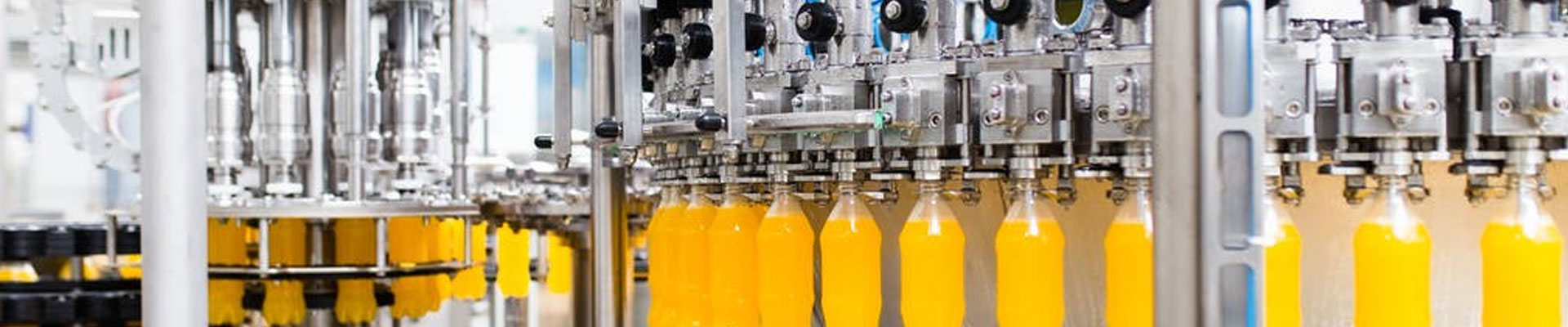
The juice is then filled into bottles, cans, or other containers using automated filling equipment. Proper sealing ensures freshness and prevents contamination.
Once the containers are sealed, they are labeled with product information, such as expiration dates, ingredients, and nutritional information. The final step is packaging for shipment and distribution.
Understanding these stages helps simplify decision-making by allowing facility managers to focus on optimizing each part of the process and selecting the right equipment for each stage.
Selecting the right juice bottling line involves assessing various factors, including production capacity, automation, type of containers, and the level of quality control required. Here are the key factors to consider when choosing a bottling line:
The production capacity of your facility determines the type and scale of equipment required. Smaller facilities may opt for semi-automatic lines, while larger facilities often need fully automated, high-speed lines to meet demand.
Consider the volume of juice you plan to produce daily or annually, and ensure the bottling line you choose can handle this capacity efficiently.
The choice of container (bottles, cans, or pouches) impacts the filling equipment selection. For instance, glass bottles require different filling mechanisms compared to plastic or aluminum cans.
Additionally, consider the size and shape of the containers, as this can affect the speed and efficiency of the bottling process.
Automation plays a significant role in streamlining operations and improving efficiency. Fully automated systems reduce labor costs and human error while increasing production speed.
However, if you’re operating a smaller facility or a specialized production line (e.g., organic juice), a semi-automatic or manual bottling line may be more suitable.
Incorporating quality control systems into the bottling line ensures that each batch of juice meets safety and quality standards. Automated systems can monitor fill levels, cap sealing, and other factors to ensure consistency and avoid defects.
Automation in juice production brings numerous benefits, including improved efficiency, consistency, and cost savings. As the demand for juice continues to grow, automating your production and bottling process is essential to staying competitive. Here’s how automation simplifies decision-making:
Automated systems can handle high volumes of production at faster speeds compared to manual labor. This is especially beneficial for large-scale facilities aiming to meet growing consumer demand.
Automation reduces the need for manual labor, which can significantly lower operational costs. Workers can be reassigned to more value-added tasks, while the bottling line operates with minimal human intervention.
Automated filling and capping systems ensure precise fill levels, reducing product waste and preventing overfilling or underfilling. This consistency helps maintain product quality across all batches.
Automated systems often come with built-in cleaning mechanisms, ensuring that the equipment remains hygienic and free from contaminants. This is critical for maintaining the safety of the juice and meeting regulatory standards.
Optimizing the production flow in a juice bottling facility helps minimize downtime and ensure a smooth transition between production stages. Efficient production flow directly impacts throughput and overall cost-effectiveness. Here are key strategies for optimizing production flow:
Efficient handling and storage of raw materials are essential for maintaining smooth operations. Invest in automated conveyors and sorting systems to reduce manual labor and improve processing times.
Regular maintenance and the use of predictive analytics can help detect potential equipment failures before they occur. This prevents downtime and ensures that production remains uninterrupted.
Choose filling equipment that matches your production needs, whether it’s high-speed, high-accuracy filling for large-scale operations or smaller batch filling for specialty products. The right equipment ensures efficiency and reduces product waste.
Implement automated packaging systems that can handle various packaging types, such as bottles, cans, or pouches, to keep pace with production. This ensures that the final product is ready for distribution quickly and efficiently.
Choosing the right juice bottling equipment requires a balance between cost, capacity, and the specific needs of your juice production. Here are key considerations when selecting equipment for your facility:
Ensure that the bottling line is capable of meeting your expected production volume. Overestimating capacity can lead to unnecessary costs, while underestimating it may result in bottlenecks.
Your production needs may change over time, so it’s important to choose equipment that can adapt to different container sizes, juice formulations, and packaging types.
Look for bottling equipment that is energy-efficient to minimize operational costs in the long run. Equipment with low energy consumption can offer significant cost savings over time.
Choose equipment from reputable suppliers who offer ongoing maintenance support and training. Regular maintenance and technical support are essential to keep the production line running smoothly.
Despite the many advantages of automated juice production, there are some common challenges that facilities may face. Here’s how to address these challenges:
Regularly inspect and clean equipment to prevent contamination during the production process. Proper sanitation procedures and quality control checks can minimize the risk of contamination.
Schedule routine maintenance and use predictive maintenance technology to identify potential issues before they cause downtime. Having backup equipment or a contingency plan in place can also help keep production running smoothly.
Ensure that filling machines are properly calibrated and regularly checked to maintain accurate fill levels. Automated systems that monitor and adjust fill levels in real time can help ensure consistency.
Simplifying decisions for juice production and bottling facilities is essential to maintaining efficiency, reducing costs, and ensuring high product quality. By understanding the key components of the production line, evaluating the right equipment, and optimizing the production flow, facilities can enhance their operations and meet growing consumer demand.
Whether it’s choosing between automation or manual processes, or selecting the best bottling equipment, the key is to balance production needs with quality standards. With the right tools, facilities can streamline operations, improve product consistency, and stay competitive in a rapidly growing market.