- All
- Product Name
- Product Keyword
- Product Model
- Product Summary
- Product Description
- Multi Field Search
Views: 0 Author: Site Editor Publish Time: 2025-11-22 Origin: Site

The fruit juice industry has grown significantly in recent years, with consumers demanding higher quality, fresh-tasting beverages. To meet this demand, fruit juice production has evolved into a highly automated and precise process. A critical part of this process is the fruit juice beverage filling production line, which ensures that juice is processed, filled, and packaged efficiently and safely.
The fruit juice beverage filling production line encompasses a series of steps that transform raw ingredients into bottled or canned juice, ready for distribution. From the initial fruit cleaning and juice extraction to the final sealing and packaging, every stage is crucial for maintaining the quality and safety of the product.
In this article, we will explore the process of fruit juice beverage filling production, the equipment involved, and the various stages that ensure high-quality juice. We will also look at how factors like hot filling and pasteurization impact the final product.
What Is The Process Of Fruit Juice Beverage Filling Production?
How Does The Filling Equipment Work In Fruit Juice Beverage Production?
What Are The Main Stages Of The Production Line For Fruit Juice Beverage Filling?
What Are The Critical Aspects Of Juice Manufacturing In The Production Process?
How Do Hot Filling And Pasteurization Impact Fruit Juice Production?
The process of fruit juice beverage filling production involves several key stages, from fruit extraction to the final packaging of the juice. These stages are designed to ensure that the juice maintains its freshness, flavor, and nutritional value while meeting all safety and regulatory standards.
The process starts with the selection and washing of fresh fruits, ensuring that they are free from dirt, pesticides, or any harmful residues.
Sorting and peeling are also essential steps to remove any damaged or inedible parts of the fruit.
Fruits are then passed through juice extraction machines where the juice is separated from the pulp. This can be done through methods like squeezing, pressing, or centrifuging.
At this stage, the juice may be filtered to remove any remaining pulp or solid particles.
In some cases, juice is concentrated to reduce transportation costs. Water is later added back to the concentrated juice to achieve the desired consistency and taste.
To eliminate harmful microorganisms and ensure the juice’s safety, the juice undergoes pasteurization. This heating process also helps extend the shelf life of the juice.
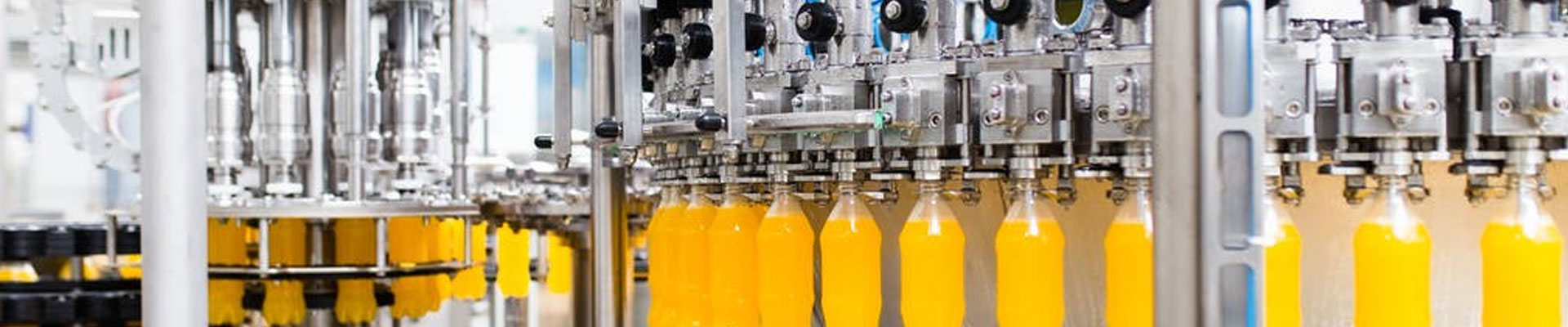
The juice is then pumped into bottles or cans using automated filling machines. These machines are designed to fill each container accurately and efficiently, ensuring the correct amount of juice in each package.
Once filled, the containers are sealed to prevent contamination and preserve freshness.
After sealing, the containers are labeled with product information, including the expiration date, ingredients, and nutritional information.
Finally, the products are packed into boxes for distribution.
The filling equipment in a fruit juice production line plays a pivotal role in ensuring that the juice is filled correctly and efficiently. There are several types of filling machines used, depending on the type of juice, container, and production scale. The most common types include gravity fillers, pressure fillers, and vacuum fillers.
Gravity filling machines rely on the force of gravity to fill containers. The juice is stored in an overhead tank and allowed to flow into bottles or cans through a filling valve.
Gravity fillers are commonly used for less carbonated juices and are ideal for small to medium production runs.
Pressure filling machines use pressurized tanks to push juice into containers. The container is pressurized before filling to help maintain carbonation and reduce foaming, making it ideal for high-carbonation drinks like fizzy fruit juices.
This method is highly accurate and suitable for large-scale production lines.
Vacuum fillers use a vacuum to pull juice into the container. This is particularly useful for juices that need to maintain their carbonation or avoid oxidation during the filling process.
The vacuum system minimizes foaming and ensures that the juice is filled gently, preserving its freshness.
Modern fruit juice filling machines are fully automated, with high-speed capabilities for mass production. These machines are capable of performing multiple tasks simultaneously, including filling, sealing, and labeling.
Automated systems ensure high consistency in the filling process, reducing human error and ensuring each container is filled to the same level.
The production line for fruit juice beverage filling consists of multiple stages, each designed to prepare the juice, ensure its safety, and package it for distribution. Let’s take a closer look at each stage:
The process begins with the cleaning of fruits, which involves removing dirt, pesticides, and any debris. Sorting is also crucial to eliminate any damaged or spoiled fruits that could affect the quality of the juice.
After cleaning, the fruits are juiced using various extraction methods such as pressing, squeezing, or centrifuging. At this stage, pulp and juice are separated, and the juice may be filtered to remove any remaining solid particles.
The juice is tested for quality to ensure it meets the desired flavor profile and consistency. Pasteurization is also performed to eliminate harmful microorganisms and preserve the juice’s shelf life.
The juice is then pumped into bottles or cans, where it is filled to the appropriate level. The containers are then sealed to prevent contamination and preserve the juice’s freshness during storage and transportation.
Once sealed, the juice containers are labeled with product information, including expiration dates, nutritional facts, and ingredients. The products are then packaged into boxes for shipping and distribution.
After packaging, the juice is stored in a controlled environment before being shipped to retailers or directly to consumers. The storage temperature is critical to maintaining the freshness and quality of the product.
Several critical factors influence the quality and efficiency of juice manufacturing in the production process. Let’s take a look at these essential aspects:
The quality of the raw materials directly affects the final product. Fresh, ripe fruits should be selected for juice production, as they contribute to the flavor, color, and nutritional value of the juice.
Maintaining cleanliness throughout the production line is crucial for preventing contamination. The equipment, especially filling and sealing machines, should be cleaned regularly to ensure that the juice remains safe for consumption.
Both during juice extraction and pasteurization, temperature control is essential. High temperatures can affect the flavor and nutritional quality of the juice, while low temperatures can inhibit the effectiveness of pasteurization.
Ensuring that each container is filled accurately and consistently is essential for maintaining product quality and consumer trust. Modern filling machines use sensors and automated systems to monitor and control the filling process.
Hot filling and pasteurization are two critical processes in juice production that help ensure the safety, quality, and shelf life of the product.
Hot filling involves filling containers with juice that has been heated to a high temperature, typically between 85-95°C. This process helps kill harmful microorganisms while preserving the juice’s flavor and nutrients.
The key advantage of hot filling is that it extends the juice’s shelf life without the need for preservatives.
Pasteurization involves heating juice to a specific temperature for a set period to destroy harmful bacteria, yeasts, and molds. This process is crucial for ensuring the safety of the juice, especially in the absence of refrigeration during transportation and storage.
Pasteurized juice retains its nutritional value and freshness for a longer period, making it more viable for mass production and distribution.
Both hot filling and pasteurization play a vital role in preserving the safety and quality of fruit juice, allowing manufacturers to produce large quantities of juice that can be safely consumed even after extended periods of storage.
The process of fruit juice beverage filling production is a detailed and highly controlled system, where every step is essential to ensuring the quality, safety, and consistency of the final product. From the extraction of juice to the final packaging, each stage requires precise equipment and quality control measures to maintain the highest standards.
By understanding the process of juice production and the impact of key factors like pasteurization and filling methods, juice manufacturers can optimize their operations, reduce waste, and deliver high-quality juice to consumers. Whether you're operating on a small scale or running a large production line, mastering the art of juice filling and production is critical to your success in the market.