- All
- Product Name
- Product Keyword
- Product Model
- Product Summary
- Product Description
- Multi Field Search
Views: 0 Author: Site Editor Publish Time: 2025-10-30 Origin: Site
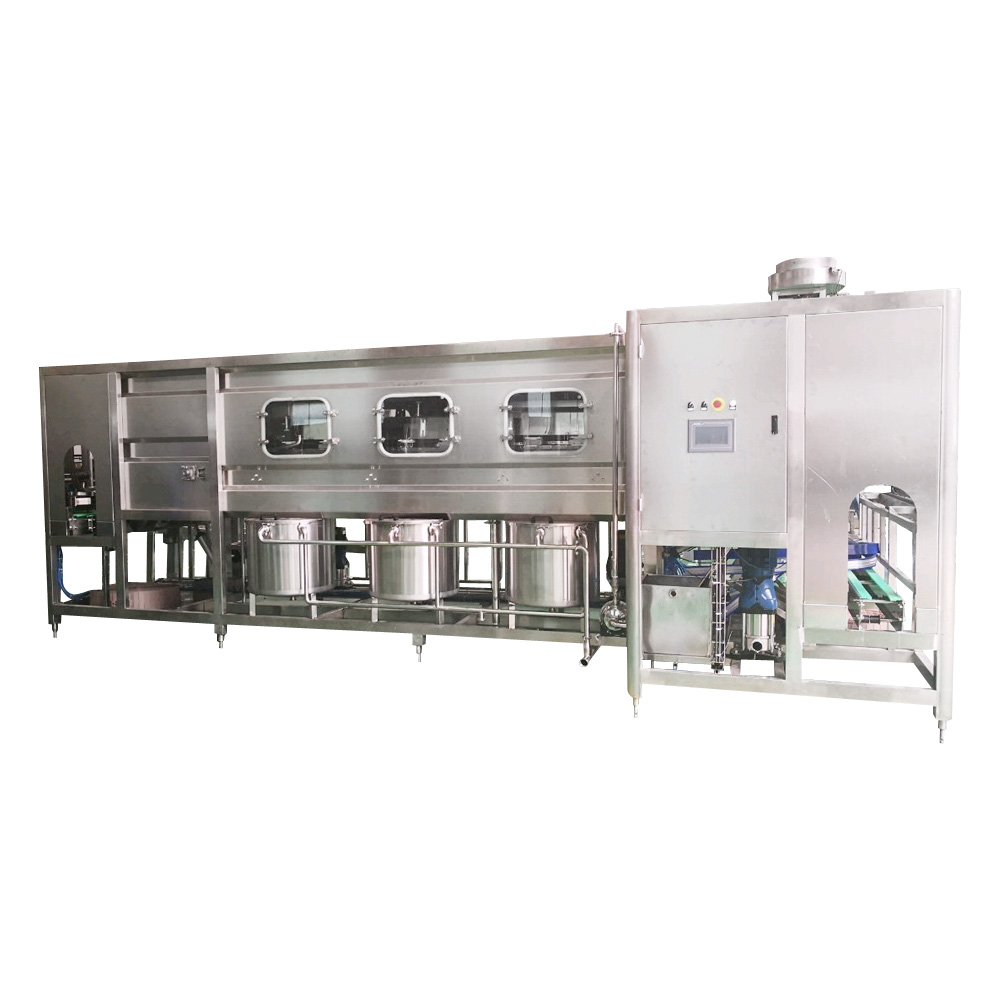
Ever wondered how your bottled water is filled so precisely? Enter the water filling machine, a vital player in the beverage industry. These machines ensure each bottle is filled accurately and efficiently, maintaining quality and safety. In this article, you'll learn about the essential functions and significance of water filling machines in modern beverage production.
Water filling machines play a crucial role in bottling and packaging processes. They perform several key functions that ensure the product is delivered safely, efficiently, and with consistent quality. Here are the primary functions:
One of the most important functions is dispensing the correct volume of water into each container. The machine uses precise controls to measure the exact amount needed, reducing waste and ensuring every bottle is filled uniformly. This accuracy helps maintain product consistency, which is vital for brand reputation and regulatory compliance.
Water filling machines significantly speed up the production process. They can fill hundreds or even thousands of bottles per hour, far surpassing manual filling speeds. This efficiency helps manufacturers meet high demand and reduce bottlenecks in their production lines.
Maintaining hygiene is critical in water bottling. Modern machines are designed to minimize contamination risks by using stainless steel parts, automated cleaning systems, and enclosed filling areas. These features prevent bacteria growth and protect the purity of the water, ensuring safety for consumers.
After filling, the machine automatically seals each bottle with a cap or lid. This step is essential to prevent leaks and protect the water from external contaminants. The capping mechanism is designed to apply the right amount of pressure, ensuring a secure and tamper-proof seal.
Many water filling machines come integrated with labeling systems that apply brand labels and product information accurately and consistently. Some machines also handle packaging tasks, grouping bottles into packs or cartons, which streamlines the process from filling to shipping.
Note: Proper maintenance of each function—dispensing, hygiene, sealing, and labeling—ensures optimal performance and product safety in water bottling operations.
Water filling machines come in various forms, each tailored to different production scales and operational needs. Understanding these types helps businesses select the right machine for their specific requirements.
Manual filling machines are the simplest type. They require human operators to place bottles, control the filling process, and seal containers manually. These machines are ideal for small-scale businesses or startups with low production volumes. They offer cost-effectiveness and flexibility but have limited speed and rely heavily on operator skill. For example, a small artisanal bottled water company might use a manual filling machine to maintain control over each bottle.
Semi-automatic machines strike a balance between manual and fully automated systems. They automate key parts of the filling process, such as dispensing water and capping, but still require some human intervention, like placing bottles on the conveyor or initiating the filling cycle. These machines suit medium-scale operations that need improved efficiency without the full investment of automation. They increase throughput while maintaining reasonable control and flexibility.
Automatic filling machines are designed for large-scale production lines. They fully automate the entire filling process, including bottle positioning, filling, capping, and sometimes labeling and packaging. These machines integrate with conveyors and advanced control systems to deliver high-speed, consistent, and hygienic filling. Automatic machines minimize labor costs and human error, making them ideal for high-demand beverage manufacturers. For instance, a large bottled water company uses automatic fillers to process thousands of bottles per hour efficiently.
Tip: Choose a filling machine type based on your production volume and budget to maximize efficiency and cost-effectiveness.
Modern water filling machines come packed with advanced features that make them highly efficient and reliable for beverage production. These features help manufacturers maintain quality, speed, and adaptability while reducing operational costs. Let’s explore the key attributes that define today’s water filling machines:
Modern machines use programmable logic controllers (PLCs) and touchscreen interfaces for precise control over the filling process. Operators can easily adjust fill volumes, speeds, and sequences, ensuring consistent output. These control systems also enable quick changeovers between different bottle sizes or product types, minimizing downtime. Some machines include real-time monitoring and diagnostics, alerting operators to issues before they impact production.
Speed is crucial in beverage manufacturing, and modern water filling machines deliver high throughput rates. They can fill thousands of bottles per hour, depending on the model and configuration. This rapid operation helps manufacturers meet large orders and reduce bottlenecks. Despite the speed, machines maintain accuracy and hygiene, ensuring every bottle meets quality standards.
Today's water filling machines can handle a wide range of container shapes and sizes—from small plastic bottles to large glass containers. This flexibility allows manufacturers to produce multiple product lines without needing separate machines. The machines often include adjustable nozzles and conveyors to accommodate different packaging formats, making them a great choice for businesses looking to diversify their offerings.
Maintaining product quality and safety is a top priority. Modern machines integrate automatic cleaning and sterilization systems, such as Clean-In-Place (CIP) technology, which reduces contamination risks. Some models feature inspection systems that detect fill levels, cap placement, or label accuracy, rejecting any bottles that don’t meet standards. These quality checks ensure that every bottle leaving the line is safe and consistent.
Energy consumption is a significant operational cost. Manufacturers benefit from machines designed to minimize power use without sacrificing performance. Features like energy-saving motors, optimized pneumatic systems, and smart standby modes help reduce electricity bills and environmental impact. This efficiency supports sustainable production practices and lowers overall costs.
Tip: When selecting a water filling machine, prioritize models with advanced control systems and energy-efficient designs to maximize productivity and reduce long-term expenses.
Water filling machines bring several advantages to beverage manufacturers and other industries relying on liquid packaging. Using these machines can transform production lines, making them faster, safer, and more cost-effective. Here are the main benefits:
Water filling machines automate repetitive tasks, speeding up the entire bottling process. They can fill hundreds or thousands of bottles per hour, far surpassing manual labor. This boost in productivity helps manufacturers meet growing demand without expanding their workforce significantly.
Each bottle is filled with the exact volume every time, reducing product variation. This precision ensures consistent quality, which is crucial for brand reputation and regulatory compliance. Accurate filling also minimizes product waste, saving raw materials and cutting costs.
By automating filling, capping, and sometimes labeling, these machines reduce the need for manual labor. Fewer workers are required on the line, which lowers labor expenses and reduces human error. Operators can focus on monitoring and maintenance rather than repetitive tasks.
Water filling machines are designed to maintain high hygiene standards. Stainless steel parts, enclosed filling areas, and automated cleaning systems prevent contamination. This feature is essential in the bottled water industry, where safety and purity directly impact consumer health.
As businesses grow, water filling machines can scale production easily. Manufacturers can upgrade to faster models or add more machines to increase capacity. This flexibility allows companies to adapt quickly to market changes without overhauling their entire production line.
Tip: To maximize benefits, regularly maintain your water filling machine to ensure accuracy, hygiene, and long-term operational efficiency.
Water filling machines operate through a series of well-coordinated phases designed to fill containers efficiently, accurately, and hygienically. Understanding these phases helps operators optimize performance and troubleshoot issues quickly. Here’s a detailed look at the typical operational steps:
The process begins with storing the water in a holding tank. This tank acts as a reservoir, ensuring a continuous supply of liquid to the filling nozzles. The tank is usually made of stainless steel to maintain hygiene and prevent contamination. It may include features like agitation or temperature control to keep water quality consistent. The liquid level in the tank is monitored to avoid interruptions during filling.
Next, empty bottles or containers move into position under the filling nozzles. This step often involves a conveyor system that aligns each container precisely. Sensors or mechanical guides ensure the bottle is correctly placed to avoid spills or misfills. Accurate positioning is critical for smooth operation and maintaining production speed.
Once the container is in place, the filling valve opens to dispense water. The valve controls how much liquid flows into each bottle, typically using timed or volume-based mechanisms. This phase requires precise timing to ensure each container receives the exact amount of water needed. Some machines use gravity or pump-assisted filling methods depending on the liquid’s properties and production requirements.
When the desired volume is reached, the valve closes automatically. This action prevents overfilling and reduces waste. Advanced machines may include sensors that detect the fill level in real-time, providing an extra layer of accuracy. Proper valve closure also helps maintain hygiene by minimizing exposure to the environment.
After filling, the container is disengaged from the filling station and moved along the conveyor to the next stage, such as capping or labeling. This movement is automated in most modern machines, allowing continuous workflow without manual intervention. Efficient container exit prevents production delays and keeps the line running smoothly.
Tip: Regularly check and calibrate valve timing and sensor alignment to maintain precise fill volumes and reduce product waste.
Water filling machines are versatile tools used across many industries beyond just bottled water production. Their ability to fill liquids accurately, efficiently, and hygienically makes them essential in various sectors. Here are some of the most common applications:
This industry is the largest user of water filling machines. They fill bottles, jars, and containers with drinking water, juices, flavored syrups, and other beverages. The machines ensure each container is filled precisely, maintaining quality and safety standards. Their hygienic design prevents contamination, which is crucial for consumer health. For example, a bottling plant producing mineral water relies heavily on these machines to meet high demand while ensuring product purity.
Water filling machines also serve the cosmetics industry, filling containers with products like toners, micellar water, liquid soaps, and body sprays. These liquids require gentle handling to avoid foaming or product degradation. The machines’ precise filling and sealing capabilities help maintain product integrity and aesthetic appeal, which are vital for brand reputation.
In the chemical sector, water filling machines handle household cleaners, solvents, and other liquid chemicals. Machines designed for this application use corrosion-resistant materials to withstand harsh chemicals. Accurate filling prevents overuse or spillage, enhancing safety and reducing waste. For example, a company producing window cleaner bottles depends on these machines to fill containers safely and consistently.
Pharmaceutical manufacturers use water filling machines for products such as alcohol-based sanitizers, disinfectants, and liquid medicines. These applications demand strict hygiene and precision. Machines often include clean-in-place (CIP) systems and sanitary fittings to comply with regulatory standards. This ensures the products are safe for medical use and free from contamination.
Tip: When selecting a water filling machine, ensure it is compatible with your product’s industry requirements, especially regarding hygiene and material resistance, to maintain safety and quality standards.
Water filling machines are essential in modern beverage production, ensuring efficiency and safety. They meet growing demand by automating processes and maintaining hygiene. Mars Packing Machinery provides advanced water filling machines that enhance production lines with precision and reliability, offering significant value to manufacturers.
A: A Filling Machine is a device used to accurately dispense liquids into containers, ensuring consistent volume and quality in packaging processes.
A: Filling Machines automate the bottling process, significantly increasing speed and reducing manual labor, allowing manufacturers to meet high demand efficiently.
A: Hygiene prevents contamination, ensuring the safety and purity of bottled water, which is crucial for consumer health and regulatory compliance.
A: Costs vary based on automation level and production capacity; manual machines are cheaper, while automatic machines require higher initial investment but lower labor costs.