- All
- Product Name
- Product Keyword
- Product Model
- Product Summary
- Product Description
- Multi Field Search
Views: 0 Author: Site Editor Publish Time: 2026-03-08 Origin: Site
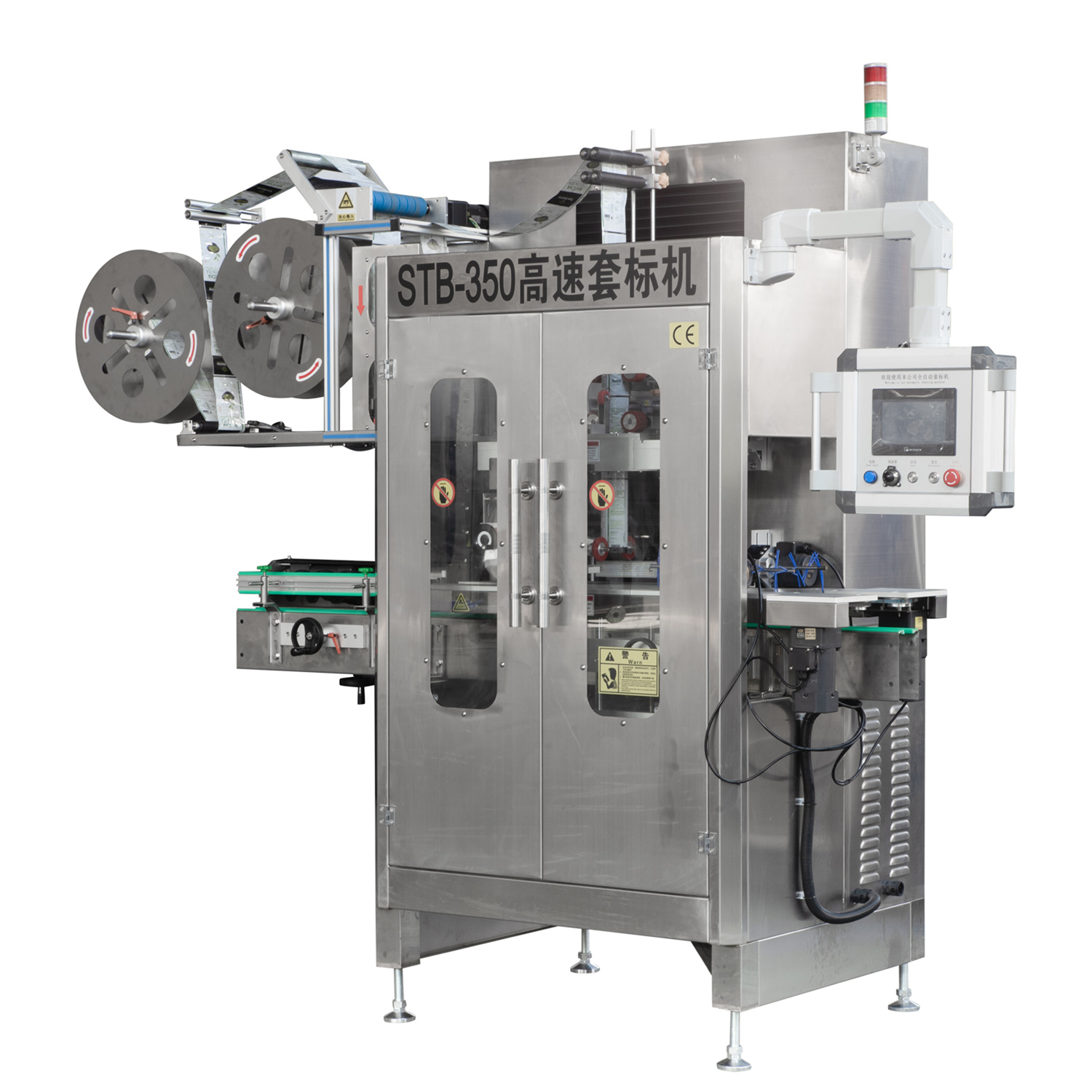
The global packaging market is undergoing a rapid transformation where visual appeal must be matched by operational velocity. As consumer demands shift toward more complex container shapes and sustainable materials, manufacturers are searching for a labelling machine that can handle high-volume production without sacrificing precision. Shrink sleeve technology has emerged as the gold standard for high-impact branding, offering 360-degree coverage that traditional pressure-sensitive labels simply cannot match.
A shrink sleeve labeling machine is the ultimate choice for modern production lines because it provides unparalleled application speed, accommodates diverse container geometries, and delivers superior 360-degree branding that enhances shelf presence. By automating the sleeve application and heat-shrinking process, these systems eliminate manual bottlenecks, reduce material waste, and significantly lower the cost per unit in high-speed manufacturing environments.
Understanding the mechanics behind this speed and aesthetic quality is essential for any business looking to scale. Whether you are in the beverage, pharmaceutical, or cosmetic industry, the transition to a dedicated labelling machine for sleeves represents a strategic leap in efficiency. This article explores the technical advantages, the impact on sales through premium packaging, and how advanced machinery can revolutionize your current production output.
Top Four Reasons to Embrace Shrink Sleeve Labeling Solutions
Boost Efficiency and Sales With Rapid Shrink Sleeve Labeling
Premium Packaging With High-quality Labelers
Transform Your Brand With Advanced Packaging Machinery
The top four reasons to adopt a shrink sleeve labeling machine include its ability to provide 360-degree branding real estate, its versatility across various container shapes, the increased durability of the labels against moisture and friction, and the significant boost in production line speed.
First and foremost, the primary driver for choosing a sleeve labeling machine is the visual real estate it provides. Unlike traditional front-and-back labels, a shrink sleeve covers the entire surface of the container. This allows marketing teams to utilize the full height and circumference of the bottle for storytelling, regulatory information, and eye-catching graphics. In a crowded retail environment, the ability to use every square inch of the packaging for branding is a decisive competitive advantage.
Secondly, the physical durability of the labels produced by a modern labelling machine is superior to paper-based alternatives. Shrink sleeves are typically made from PVC, PETG, or OPS materials, which are naturally resistant to moisture, scuffing, and UV light. This makes them ideal for products stored in refrigerated environments or bathrooms, such as cold beverages or shampoos. The label remains pristine from the factory to the consumer's hand, preserving the brand's premium image.
Finally, the integration of an automated labelling machine into a production line solves the problem of complex container geometry. Modern packaging often features ergonomic curves, tapers, or unique contours that make standard labeling difficult. A sleeve labeling machine utilizes heat tunnels to conform the film perfectly to these irregular shapes. This flexibility ensures that manufacturers do not have to limit their creative packaging designs due to technical labeling constraints.
| Feature | Traditional Labelling | Shrink Sleeve Labelling |
| Coverage | Limited (Front/Back) | 360-degree Full Wrap |
| Durability | Low (Susceptible to moisture) | High (Water and abrasion resistant) |
| Shape Compatibility | Flat or Cylindrical | Irregular, Tapered, Contoured |
| Tamper Evidency | Requires additional seal | Integrated cap-to-body sleeve |
Choosing a rapid sleeve labeling machine boosts efficiency by automating high-speed application processes and increases sales by creating a premium, tamper-evident shelf presence that attracts modern consumers.
Efficiency in the modern factory is measured by throughput and downtime. A high-performance labelling machine is designed to minimize the time between rolls and maximize the number of containers processed per minute. By utilizing rotary or linear sleeve application systems, a sleeve labeling machine can achieve speeds exceeding 200 to 600 bottles per minute. This level of automation reduces the labor costs associated with manual labeling and ensures that the production line can keep up with peak seasonal demands.
The impact on sales is equally profound. A labelling machine that applies full-body sleeves allows for the inclusion of integrated tamper-evident seals. When the sleeve extends over the cap with a perforated line, it provides consumers with peace of mind regarding product safety. This "two-in-one" functionality—labeling and sealing in a single pass through the sleeve labeling machine—streamlines the secondary packaging process and lowers the total cost of goods sold, directly impacting the bottom line.
Furthermore, the "shelf appeal" generated by a high-speed labelling machine cannot be overstated. High-gloss finishes, metallic inks, and matte textures can all be applied to the sleeve material. When a sleeve labeling machine applies these vibrant designs perfectly aligned every time, the resulting product looks significantly more expensive and professional than its competitors. This perceived value allows brands to command higher price points, effectively using the labelling machine as a tool for revenue growth.
Reduced Downtime: Advanced sensors in the labelling machine detect film breaks or jams instantly.
Material Savings: Precise cutting mechanisms in the sleeve labeling machine ensure zero wasted film.
High Throughput: Continuous motion systems allow the labelling machine to operate without stopping for bottle spacing.
Premium packaging is achieved through high-quality labelers that ensure perfect registration, wrinkle-free shrinking, and the ability to handle ultra-thin films that give a "no-label" look to the finished product.
The quality of the final product is a direct reflection of the labelling machine used during the manufacturing phase. A high-quality sleeve labeling machine employs sophisticated PLC (Programmable Logic Controller) systems to synchronize the speed of the conveyor with the label feeding mechanism. This precision ensures that the label is dropped onto the container at the exact millisecond required for perfect vertical alignment. Without this level of control, labels appear crooked, undermining the "premium" feel of the brand.
Another critical component of high-quality output is the shrinking process following the sleeve labeling machine application. Professional setups use steam or electric heat tunnels that provide uniform heat distribution. When a labelling machine is paired with a high-end steam tunnel, the sleeve shrinks evenly without bubbles, wrinkles, or "smiling" (uneven bottom edges). This seamless finish is what separates amateur packaging from the professional-grade products found in high-end retail stores.
The versatility of a professional labelling machine also extends to material compatibility. Modern brands are moving toward sustainable, thinner films to reduce plastic usage. A cheap sleeve labeling machine will often struggle with these delicate materials, causing jams or tearing. However, a premium labelling machine is engineered with tension control systems that handle lightweight films with ease, allowing brands to meet their sustainability goals while maintaining a flawless aesthetic.
Film Tension: Controlled by the labelling machine to prevent stretching.
Cutting Accuracy: High-speed rotary blades in the sleeve labeling machine provide clean edges.
Heat Calibration: Ensuring the tunnel temperature matches the labelling machine speed for a perfect shrink.
Transforming your brand requires investing in advanced packaging machinery that offers the flexibility to pivot between different product lines and the reliability to maintain consistent quality across millions of units.
In the fast-moving consumer goods (FMCG) sector, the ability to adapt is vital. An advanced labelling machine is not just a single-purpose tool; it is a flexible asset. Modern sleeve labeling machine designs allow for quick changeovers, meaning a facility can switch from labeling 12oz cans to 1-liter bottles in less than 30 minutes. This agility allows a brand to launch limited-edition flavors or promotional packaging without investing in an entirely new labelling machine for every project.
Reliability is the cornerstone of brand transformation. When a company scales, the labelling machine must be able to run multiple shifts with minimal maintenance. Professional-grade sleeve labeling machine units are built with stainless steel frames and food-grade components, ensuring they meet the strict hygiene standards of the pharmaceutical and food industries. By choosing a robust labelling machine, manufacturers protect their reputation from the risks of inconsistent packaging or production delays.
Ultimately, the goal of integrating a new sleeve labeling machine is to achieve a professional edge that resonates with the target audience. As market competition intensifies, the labelling machine becomes the silent partner in a brand's success. By providing the speed to reach the market first and the quality to stand out on the shelf, an advanced labelling machine is the most significant investment a growing company can make in its physical product presentation.
Unmatched Speed: Up to 600 BPM with the right labelling machine configuration.
Design Freedom: Use 360 degrees of the container thanks to the sleeve labeling machine.
Operational Longevity: Durable construction of the labelling machine ensures years of service.
Market Adaptability: Quick changeover features allow for diverse product portfolios.
The evolution of packaging technology has made the labelling machine the heart of the modern production line. By choosing a high-performance sleeve labeling machine, businesses can unlock incredible speeds and deliver a premium look that captures consumer attention. The transition from traditional labels to shrink sleeves is not just a trend; it is a necessary upgrade for any brand aiming for global standards of excellence and efficiency.