- All
- Product Name
- Product Keyword
- Product Model
- Product Summary
- Product Description
- Multi Field Search
Views: 0 Author: Site Editor Publish Time: 2026-03-03 Origin: Site
The packaging industry has undergone a massive transformation in recent years, driven by the need for high-impact visual branding and superior product protection. Among the various technologies available, the use of a shrink sleeve labeling machine has emerged as a gold standard for industries ranging from beverage and food to pharmaceuticals and cosmetics. This advanced machinery allows manufacturers to apply 360-degree labels that conform perfectly to the unique contours of various container shapes, providing a sleek and professional finish that traditional pressure-sensitive labels simply cannot match.
A shrink sleeve labeling machine is an automated industrial system designed to apply heat-shrinkable film sleeves onto containers. This sleeve labeling machine operates by feeding a continuous roll of film, cutting it into individual sleeves, positioning them over products like bottles or cans, and then passing them through a heat tunnel where the film shrinks to fit the container perfectly. As a critical component of modern production lines, the labeling machine ensures high-speed application, consistent placement, and a durable finish that enhances the overall aesthetic and functional value of the packaging.
Understanding the technical nuances of this equipment is essential for B2B procurement managers and production engineers who aim to optimize their packaging efficiency. This guide will delve deep into the mechanics, benefits, and selection criteria of these systems. We will explore how a labeling machine integrates into a high-speed line and why the sleeve labeling machine has become the preferred choice for brands looking to dominate the retail shelf through innovative packaging design.
Benefits of Shrink Sleeves: Strong Durability and Greater Visibility
What is a Shrink Sleeve Labeling Machine?
How Does a Shrink Sleeve Labeling Machine Work?
How to Choose the Right Label Shrink Sleeve Machine for Your Business
The primary benefits of utilizing a shrink sleeve labeling machine include exceptional 360-degree brand visibility, unmatched durability against moisture and abrasion, and the ability to accommodate complex container geometries. By using a sleeve labeling machine to apply these films, manufacturers can create tamper-evident seals and utilize the entire surface area of the container for marketing information, ensuring the labeling machine provides a high return on investment through improved shelf appeal and product security.
When comparing traditional labeling methods to the output of a high-quality sleeve labeling machine, the difference in durability is striking. Traditional paper labels often peel, wrinkle, or fade when exposed to moisture or friction during transport. In contrast, the film applied by a labeling machine is typically made from PVC, PETG, or OPS materials. These plastics are inherently resistant to water, oils, and chemicals, making the sleeve labeling machine ideal for chilled beverages or bathroom products. Because the graphics are printed on the inside of the transparent film, the labeling machine ensures the branding is protected from external scratches.
Visibility is perhaps the most significant competitive advantage offered by a sleeve labeling machine. In a crowded marketplace, the labeling machine allows for vibrant, full-color graphics that wrap around the entire neck and body of a bottle. This 360-degree "canvas" provided by the sleeve labeling machine means more room for nutritional facts, barcodes, and storytelling without cluttering the main brand logo. Furthermore, the labeling machine can incorporate transparent windows into the sleeve design, allowing consumers to see the actual product inside, which builds trust and encourages purchase.
From a functional standpoint, the labeling machine offers versatility that other equipment lacks. A single sleeve labeling machine can often handle various container sizes and materials, including plastic, glass, and metal. This flexibility allows a labeling machine to serve as a multi-purpose tool in a facility that produces different product lines. Additionally, the sleeve labeling machine can be configured to provide "cap-to-base" coverage, which includes an integrated tamper-evident seal. This eliminates the need for a separate piece of equipment to apply neck bands, thereby streamlining the production line and reducing the footprint of the labeling machine setup.
| Feature | Traditional Labeling Machine | Shrink Sleeve Labeling Machine |
| Coverage | Limited (Front/Back) | 360-Degree Full Body |
| Durability | Moderate (Prone to peeling) | High (Moisture & Scuff Resistant) |
| Container Shape | Mostly Flat or Cylindrical | Highly Complex & Contoured |
| Tamper Evidence | Requires extra machine | Integrated with sleeve |
| Material Cost | Lower per label | Higher per label but adds value |
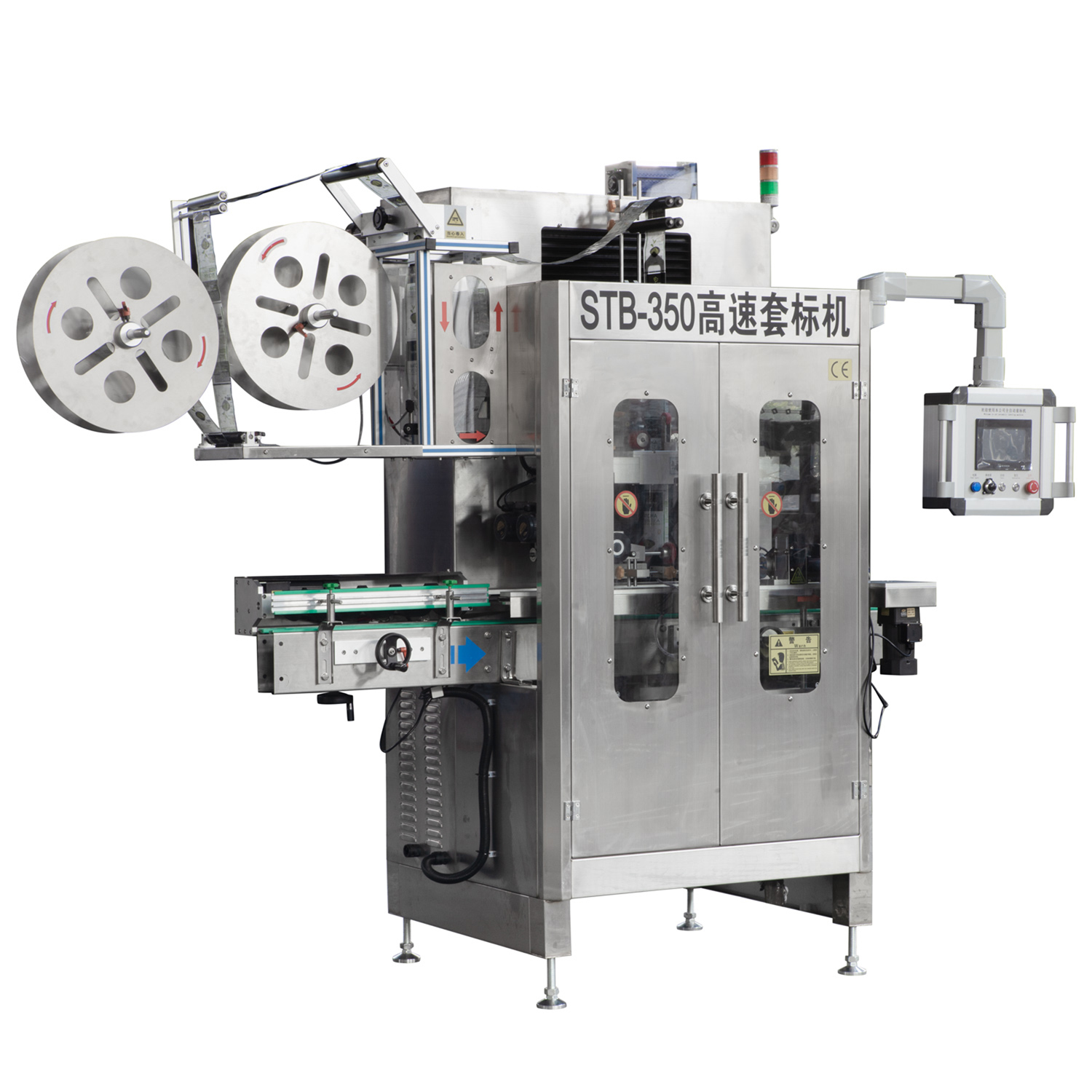
A shrink sleeve labeling machine is a specialized piece of industrial equipment that automates the process of applying heat-sensitive film sleeves to various types of containers. This labeling machine typically consists of a film unwinding station, a cutting unit, a sleeve applicator mandrel, and a conveyor system that transports the containers through a shrink tunnel. The sleeve labeling machine is engineered for precision and high-output environments, ensuring that every sleeve is cut to the exact length and placed accurately on the container before the shrinking process begins.
At its core, the labeling machine is a marvel of synchronized motion control. The sleeve labeling machine must coordinate the speed of the incoming containers with the timing of the film cutting and placement. Most modern labeling machine models utilize servo motors to achieve this level of accuracy. The sleeve labeling machine pulls the film from a large roll, known as a reel, and passes it through a series of tension rollers. This ensures the labeling machine maintains the correct film tautness, preventing jams or misaligned cuts that could halt production.
The "heart" of the sleeve labeling machine is the mandrel or "bullet." This component of the labeling machine is what opens the flattened film tube into a circular or rectangular shape that matches the container's profile. As the containers pass underneath on the labeling machine conveyor, the sleeve labeling machine shoots the cut film downward with incredible speed. This specialized labeling machine technology allows for processing speeds that can range from 100 to over 600 containers per minute, depending on the specific model of the sleeve labeling machine and the size of the product.
Beyond the applicator, the labeling machine system includes the shrink tunnel, which is either steam-based or electric heat-based. The sleeve labeling machine sends the sleeved containers into this tunnel where controlled heat is applied. The labeling machine relies on the specific properties of the film to contract uniformly around the container. Without a high-performance labeling machine, the sleeve might shrink unevenly, resulting in "smiles" or wrinkles. Therefore, the integration of the applicator and the tunnel within the sleeve labeling machine workflow is vital for a flawless finish.
Film Feed System: The part of the sleeve labeling machine that holds the film roll and controls the unwinding speed.
Cutting Assembly: Precision blades within the labeling machine that slice the film tube into individual sleeves.
Applicator Mandrel: A custom-shaped tool in the sleeve labeling machine that prepares the sleeve for placement.
Registration Sensor: A high-speed eye in the labeling machine that detects print marks to ensure the sleeve labeling machine cuts the film at the correct spot.
Conveyor Interface: Synchronizes the labeling machine with the rest of the production line.
A shrink sleeve labeling machine works through a four-stage process involving film preparation, sleeve application, precise positioning, and thermal shrinking. Initially, the labeling machine unwinds the flat film tube and opens it over a mandrel; then, the sleeve labeling machine cuts the film to a specific length and drops it onto a container passing below. Finally, the container is moved by the labeling machine conveyor into a heat tunnel where the sleeve shrinks to the container's shape, completing the cycle for the sleeve labeling machine.
The first stage of the labeling machine operation is the film unwinding and tensioning phase. The sleeve labeling machine uses a series of dancing rollers to manage the inertia of the heavy film roll. This ensures that when the labeling machine suddenly pulls film for a cut, there is no snagging. The labeling machine uses sensors to monitor the diameter of the roll, automatically adjusting the torque of the sleeve labeling machine motor to maintain consistent tension regardless of how much film is left.
The second stage is the most critical: the cutting and shooting phase of the sleeve labeling machine. The film is pulled over a mandrel that matches the internal diameter of the sleeve. The labeling machine uses a rotary or guillotine cutter to slice the film. To ensure the sleeve labeling machine hits the right spot every time, the labeling machine looks for "eye marks" printed on the film. Once cut, the labeling machine uses drive rollers to "fire" the sleeve onto the container. This part of the sleeve labeling machine must be perfectly timed; if the container is even a fraction of an inch out of place, the labeling machine will fail to seat the sleeve correctly.
The final stage involves the heat tunnel, which is an extension of the labeling machine system. Containers with loose sleeves enter the tunnel, where the labeling machine manages the temperature and airflow. In a steam tunnel, the sleeve labeling machine utilizes moisture and heat to shrink the film gently, which is ideal for contoured bottles as it prevents bubbling. Electric tunnels are often used by the labeling machine for simpler shapes. The labeling machine ensures that by the time the product exits the sleeve labeling machine line, the label is tight, smooth, and perfectly aligned with the product's features.
Step 1: Feeding and Opening – The labeling machine pulls the film from the reel and uses the mandrel to open the sleeve.
Step 2: Cutting – High-speed blades in the sleeve labeling machine cut the film based on pre-set dimensions and sensor data.
Step 3: Placement – The labeling machine ejects the sleeve onto the moving container with millisecond precision.
Step 4: Shrinking – The sleeve labeling machine carries the product through a heat source to permanently bond the label to the container.
Choosing the right label shrink sleeve machine for your business requires a thorough evaluation of your production speed requirements, the variety of container shapes you handle, and the specific film materials you intend to use. A high-quality labeling machine should offer quick changeover times for different product runs, while the sleeve labeling machine must also be compatible with your existing conveyor heights and factory floor space. Furthermore, the labeling machine you select must have a robust support system and a user-friendly interface to minimize downtime and maximize the efficiency of the sleeve labeling machine.
The first factor to consider when investing in a labeling machine is the desired output rate. If your facility processes thousands of units per hour, you need a high-speed sleeve labeling machine equipped with dual-reel systems to allow for non-stop film changes. Conversely, for smaller batch productions, a semi-automatic labeling machine might be more cost-effective. Always look for a sleeve labeling machine that can grow with your business, offering modular upgrades that allow the labeling machine to handle increased speeds or new container types in the future.
Container compatibility is another vital aspect of the sleeve labeling machine selection process. Does the labeling machine handle glass, PET, and aluminum equally well? Some labeling machine models are specifically optimized for unstable or lightweight containers that might tip over during the sleeve labeling machine process. You should ensure that the labeling machine's mandrel and drive system can be easily swapped out. A versatile sleeve labeling machine that allows for "tool-less" changeovers can save your team hours of labor every week, making the labeling machine a much more profitable asset.
Lastly, consider the technology behind the labeling machine's shrink tunnel. As mentioned, the sleeve labeling machine can use either steam or electric heat. Steam is generally preferred for high-quality aesthetics on complex shapes, but it requires a water source and drainage for the labeling machine. Electric tunnels are easier to maintain but might not provide the same level of shrink uniformity for certain films. When evaluating a sleeve labeling machine, ask for a demonstration with your specific product. A reputable labeling machine manufacturer will provide a sample run to prove that their sleeve labeling machine can meet your quality standards.
Production Speed: Does the labeling machine meet your current and future BPM (Bottles Per Minute) targets?
Changeover Time: How long does it take to recalibrate the sleeve labeling machine for a different bottle size?
Film Type: Is the labeling machine compatible with PVC, PETG, and eco-friendly OPS films?
Maintenance: Are the wear parts of the sleeve labeling machine easily accessible and affordable?
Footprint: Will the labeling machine fit into your current production line layout without major modifications?
In the competitive world of B2B manufacturing and retail, the right packaging can be the difference between a product that sits on the shelf and one that sells out. The shrink sleeve labeling machine has proven to be an indispensable tool for achieving that high-end look while maintaining production efficiency. By investing in a high-performance sleeve labeling machine, businesses can benefit from 360-degree branding, superior product protection, and a versatile labeling machine capable of handling diverse packaging challenges.
Whether you are in the food, beverage, or chemical industry, understanding how a labeling machine works and how to choose the right sleeve labeling machine is the first step toward optimizing your supply chain. As technology continues to evolve, the labeling machine will likely become even faster and more sustainable, solidifying the sleeve labeling machine as a cornerstone of modern industrial packaging. Always prioritize quality, support, and versatility when selecting your next labeling machine to ensure long-term success.